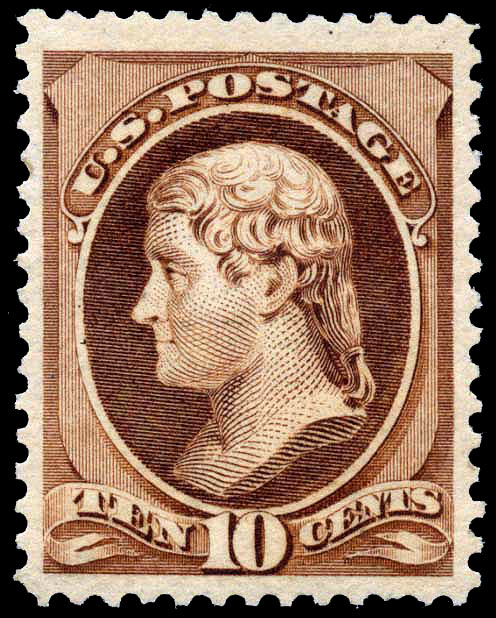
#209 - 1882 Brown re-engraved 10¢
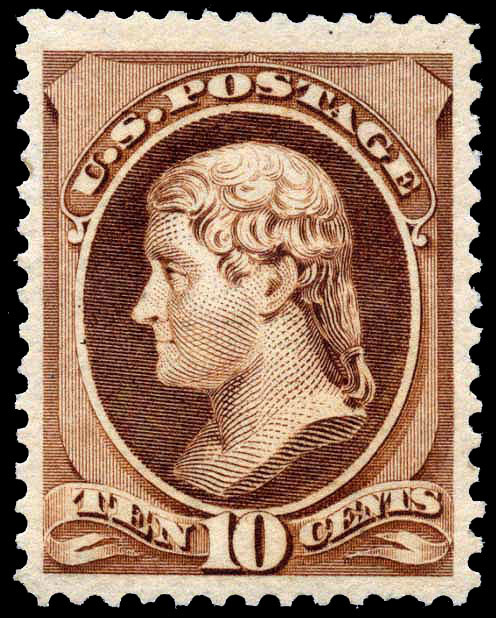
See below for details
Basic Info
10¢
Brown, yellow brown, orange brown, purple brown , olive brown
RE-ENGRAVED
Subject: Thomas Jefferson
Number issued: 145,500,000
Perforations: P12
Printer: American Bank Note Co.
Paper: Soft porous paper
Scott #: 209
Date Issued: April 1st, 1882
#209 Value
Used
50c - $1.50
No postmark with gum (MH)
$15 - $45
Full perfect gum, no postmark
no trace of stamp hinge mark (MNH)
$50 - $90
Plate #'s
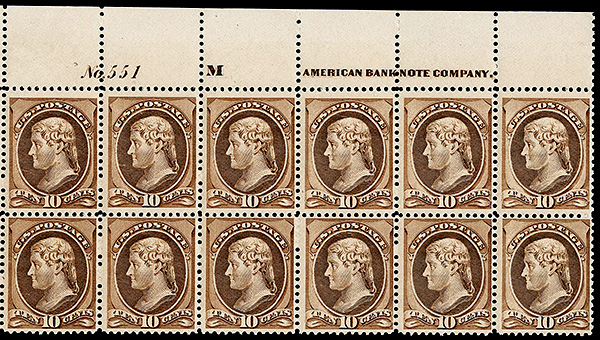
#209 was issued with the following plate #'s
200 subject panes
403, 402 A, 404, 404 A, 480-481, M547-551
Earliest documented use
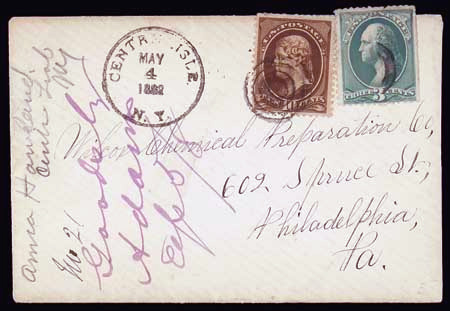
The earliest known documented use of #209, May 4th, 1882
#209b

#209b
Black brown
#209b Value
Used
$25 - $50
No postmark with gum (MH)
$750 - $2,500
Full perfect gum, no postmark
no trace of stamp hinge mark (MNH)
No sales recorded
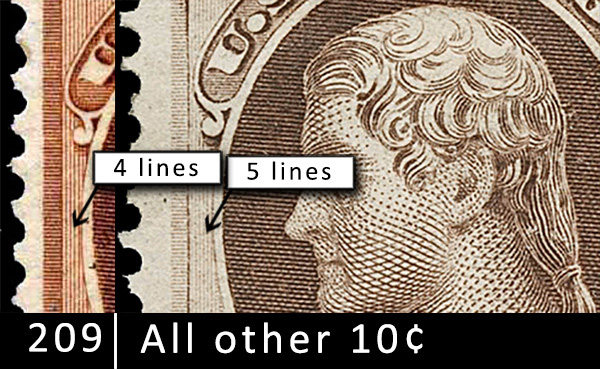
How to ID #209
A full pane
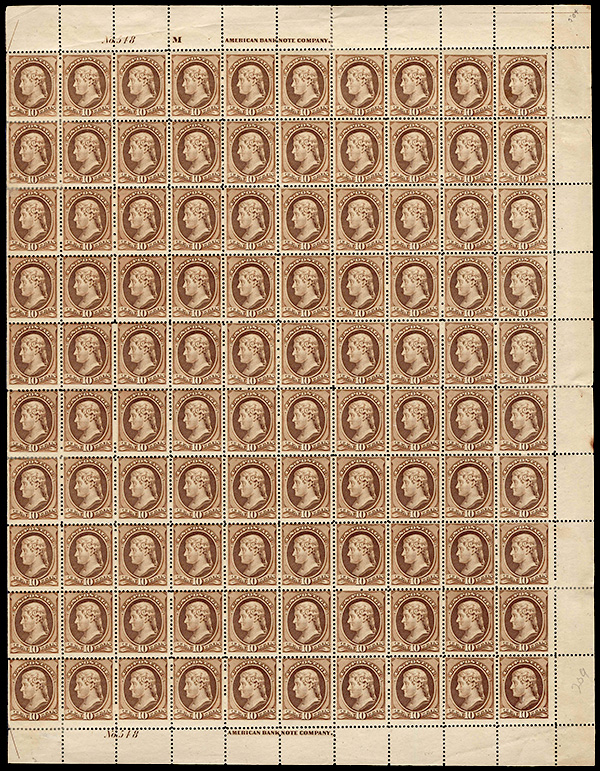
A pane of 100 of #209, there were two panes to a sheet of 200
Inspiration for the design
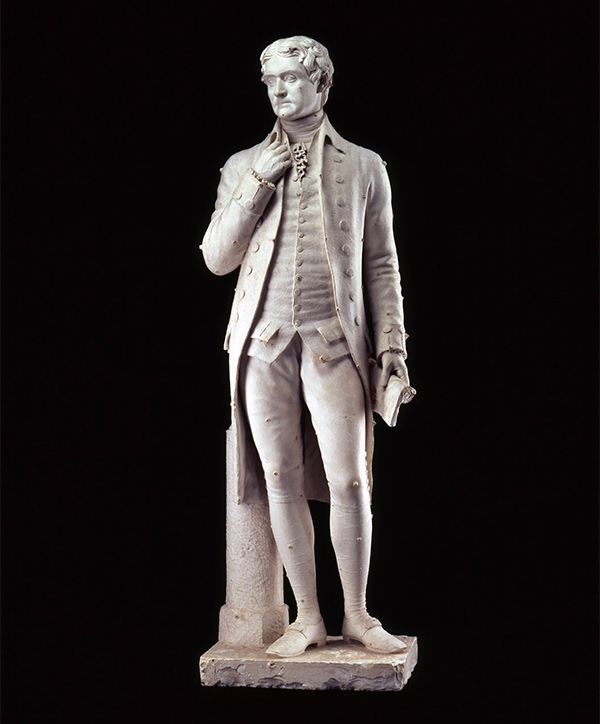
The vignette design was derived by Hiram Powers 1860-62 statue of Thomas Jefferson, now situated in the New York Museum of Metropolitan Art
Sample stamps
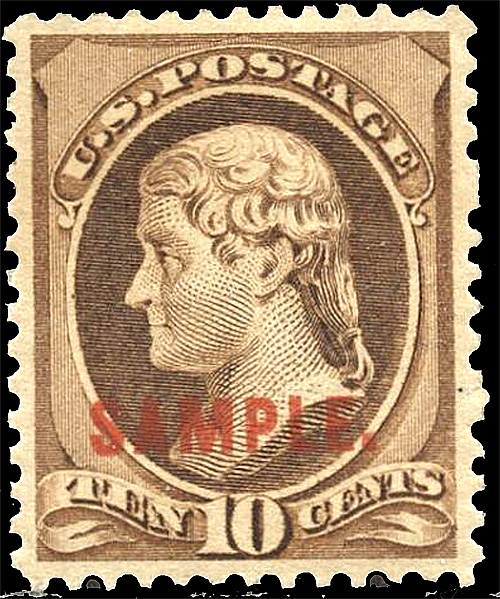
Similar to Trial Color Proofs, samples were plate printed stamps in different colors and shades for the purpose of selecting a color. Value approximately $40.
Essays and Proofs
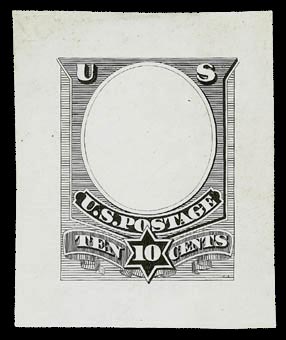
209-E2
Frame die essay on India

209-E2
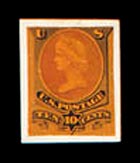
209-E3
Die essay

209-E3
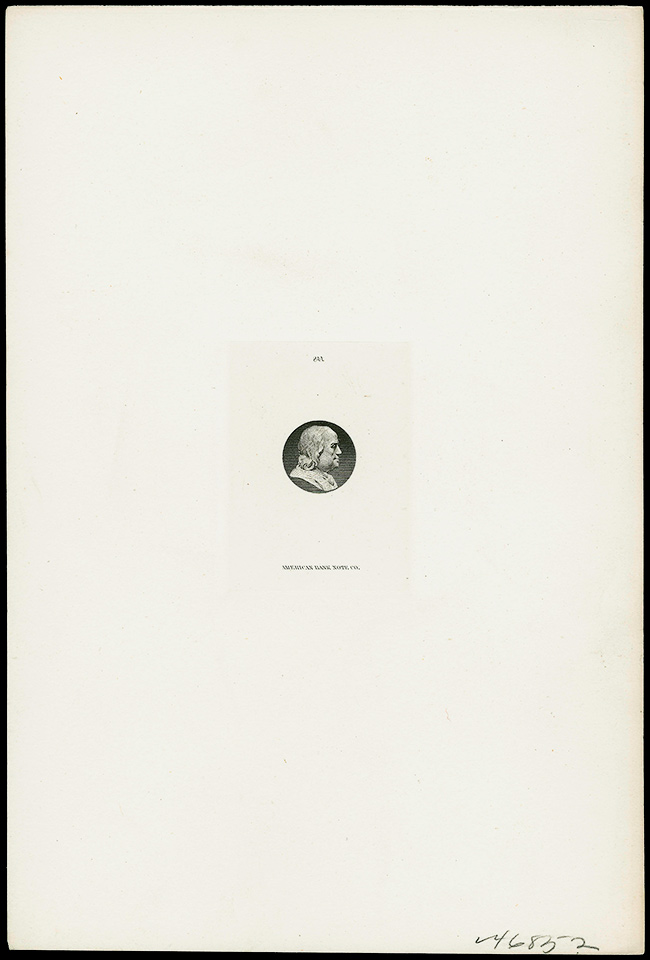
209-E4
Franklin head vignette die essay on India die sunk on card

209-E4
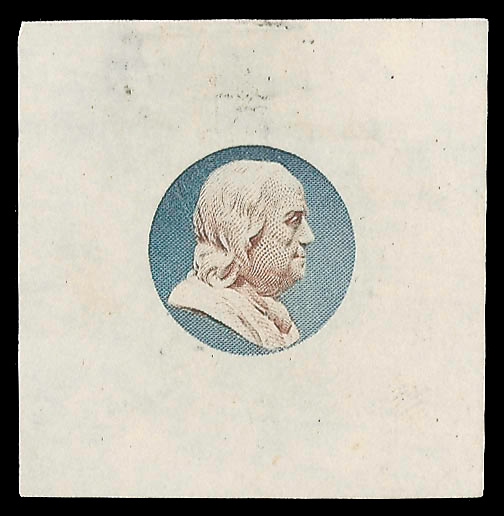
209-E4
Franklin head vignette bi-color die essay on India

209-E4
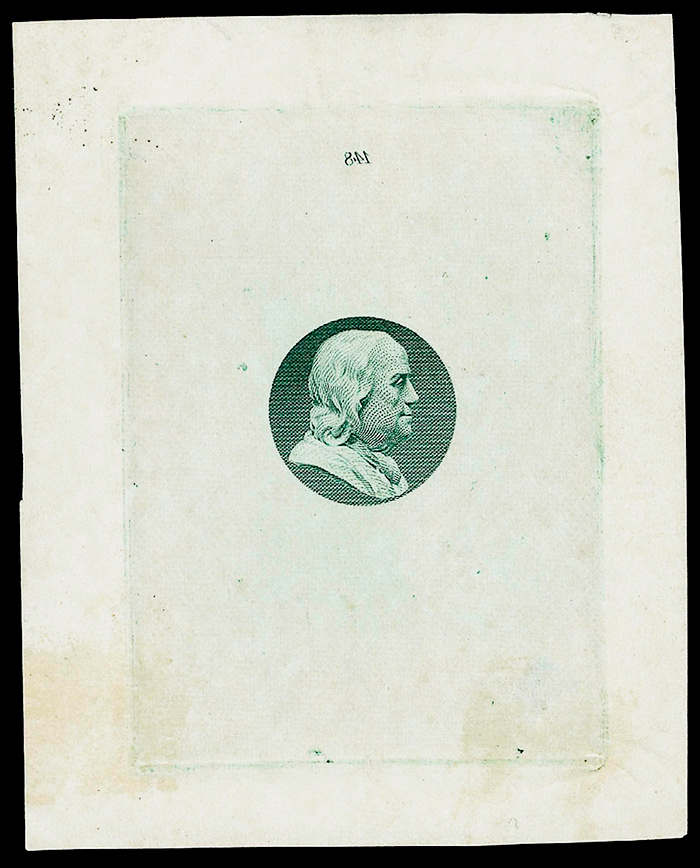
209-E4b
Franklin head vignette die essay on India die sunk on card

209-E4b

209-E5
Franklin head die essay on India

209-E5
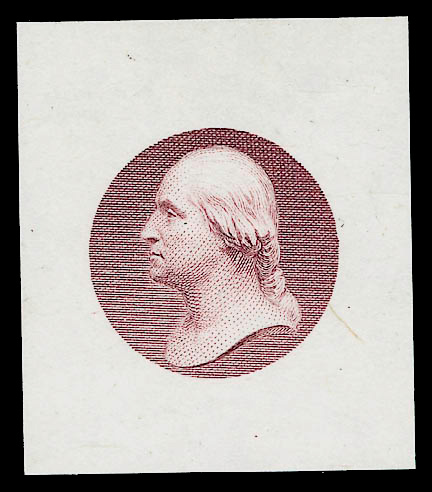
209-E6a
Washington head vignette die essay on India
Dusky red violet

209-E6a
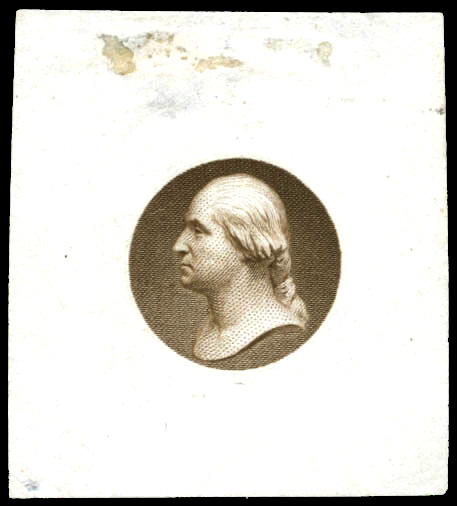
209-E6a
Washington head vignette die essay on India
Dull brown

209-E6a
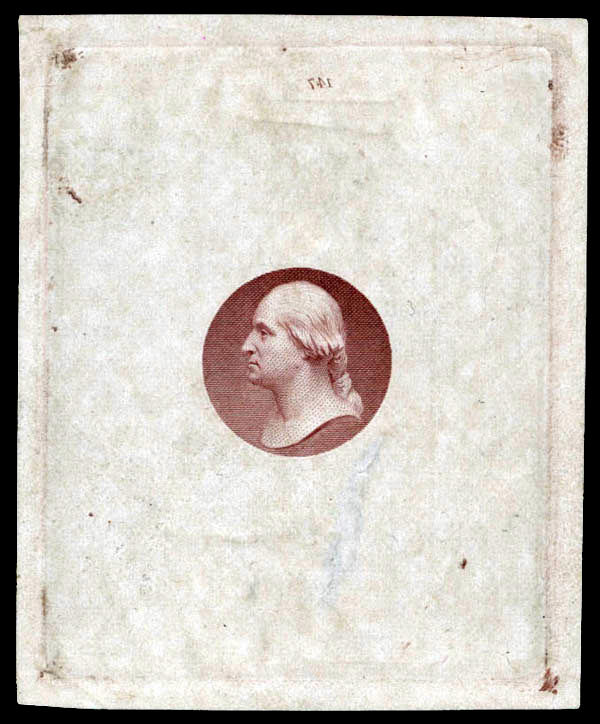
209-E6b
Washington head vignette die essay on India die sunk on white ivory paper
Dusky carmine

209-E6b
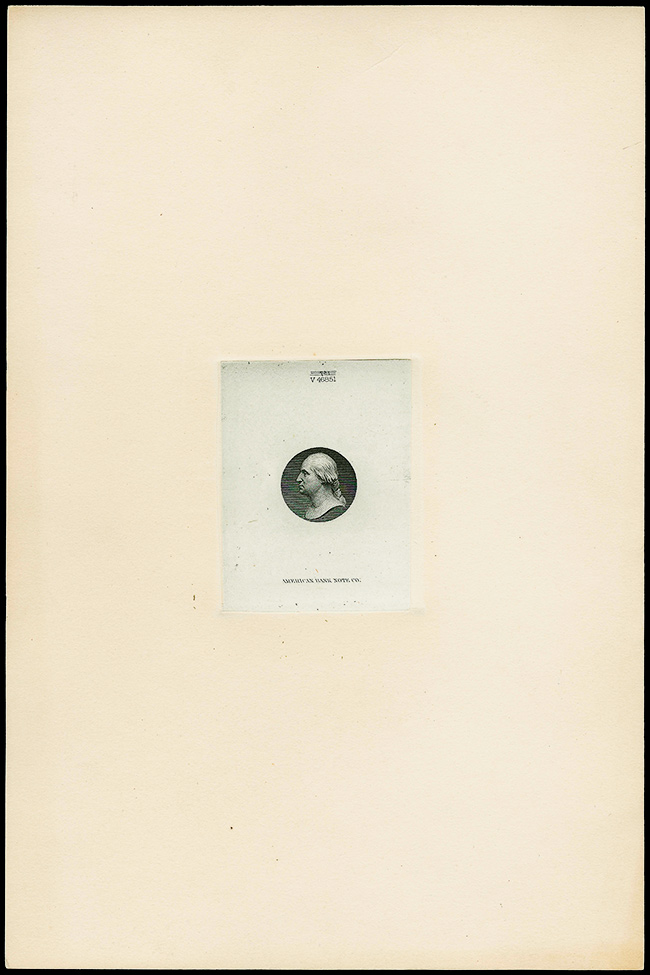
209-E6c
Washington head vignette die essay on India die sunk on card

209-E6c
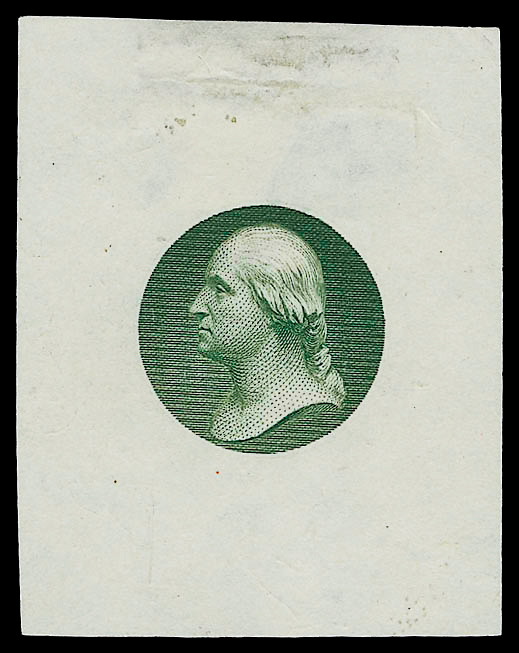
209-E6
Washington head vignette die essay on India

209-E6
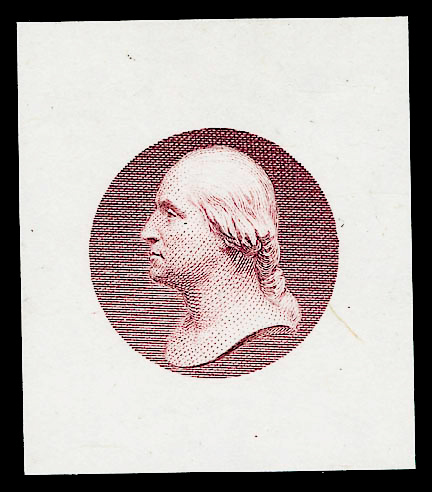
209-E6
Washington head vignette die essay on India

209-E6
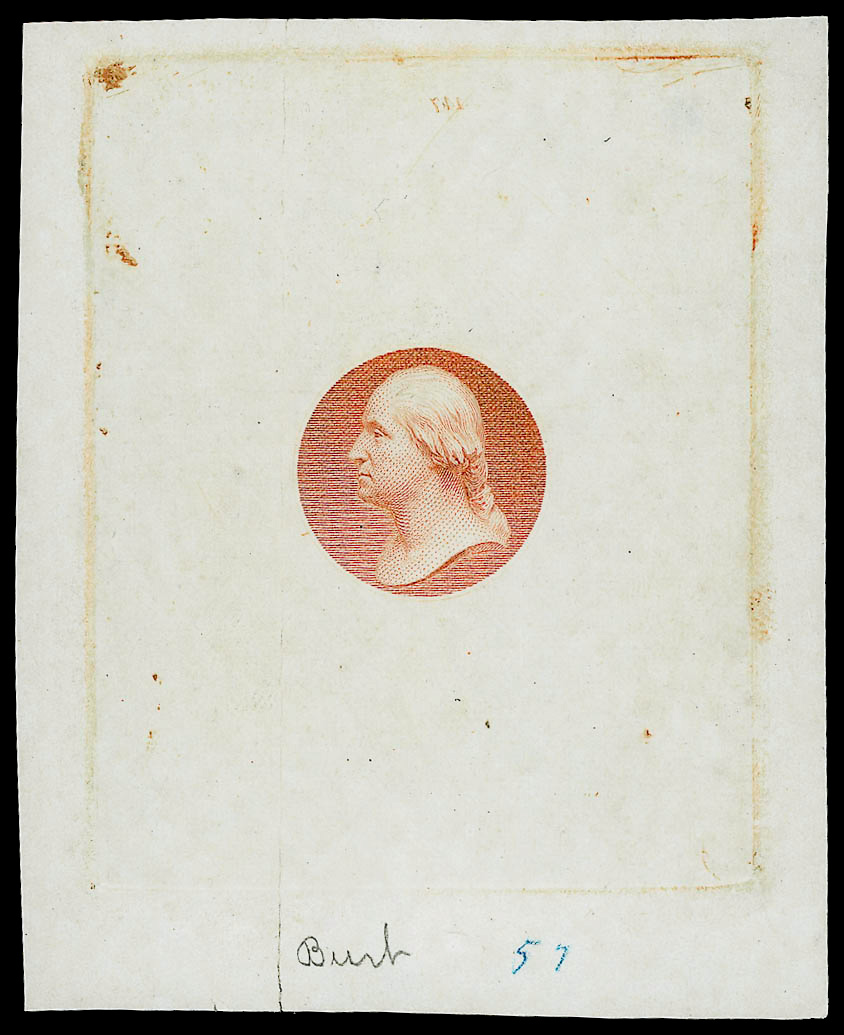
209-E6
Washington head vignette die essay on India die sunk on card

209-E6
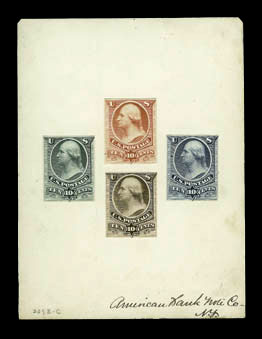
209-E7
Washington head die essays on India

209-E7
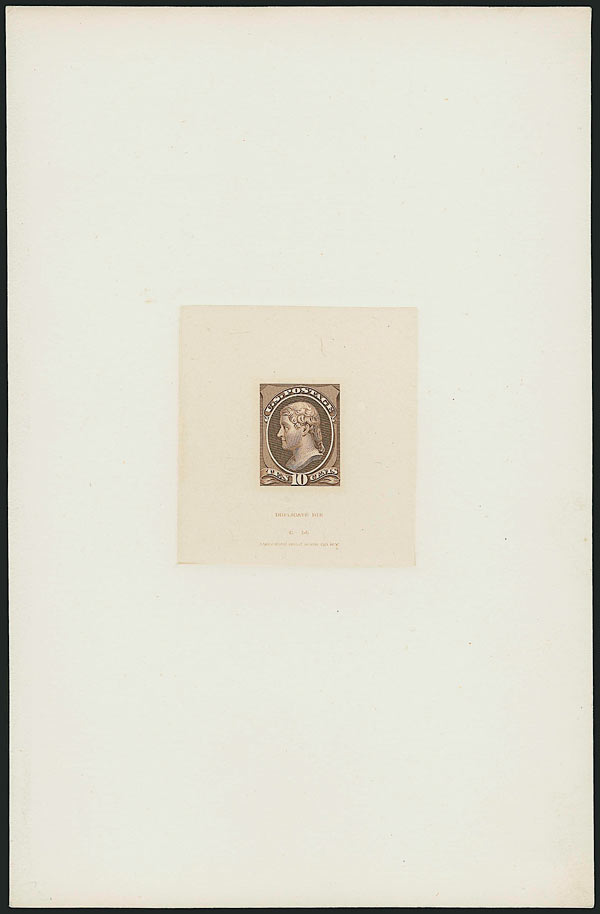
209-P1
Large die proof on India die sunk on card

209-P1

209-P2a
Roosevelt small die proof

209-P2a
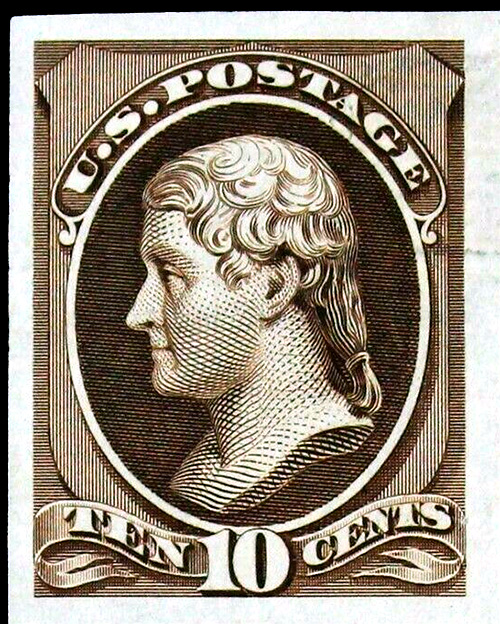
209-P3
Plate proof on India

209-P3
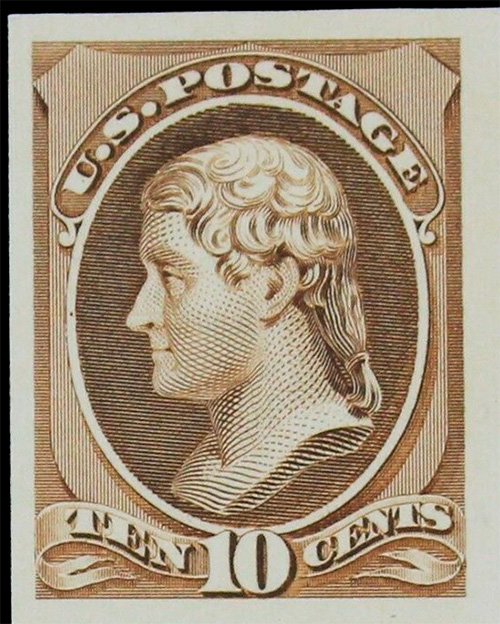
209-P4
Plate proof on card

209-P4

209-TC1
Trial color proof on India

209-TC1
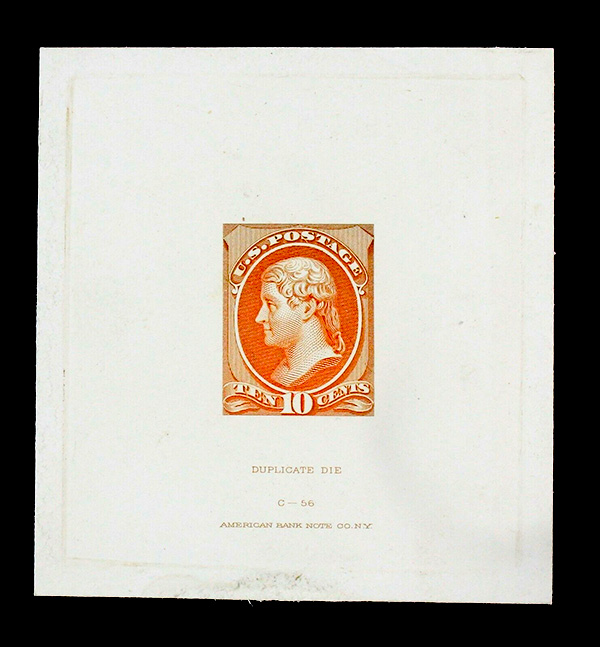
209-TC1
Trial color proof on India

209-TC1

209-TC1
Trial color proof on India

209-TC1
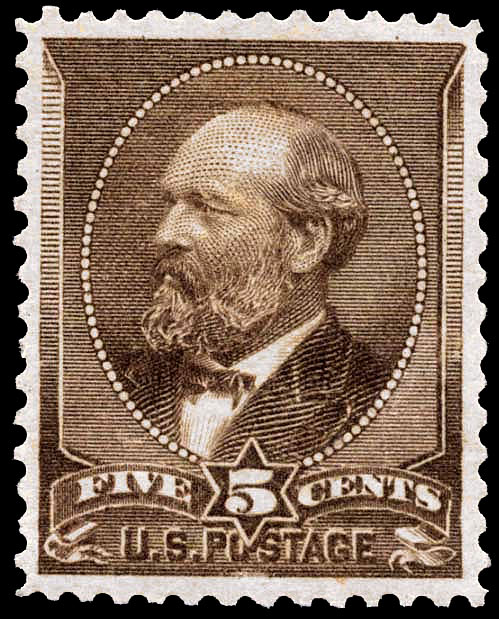
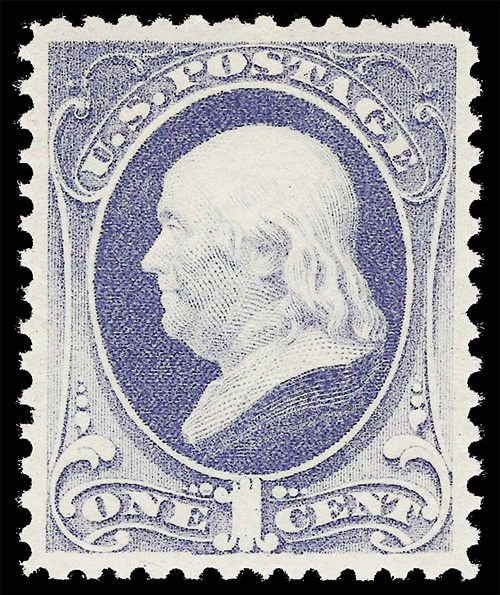
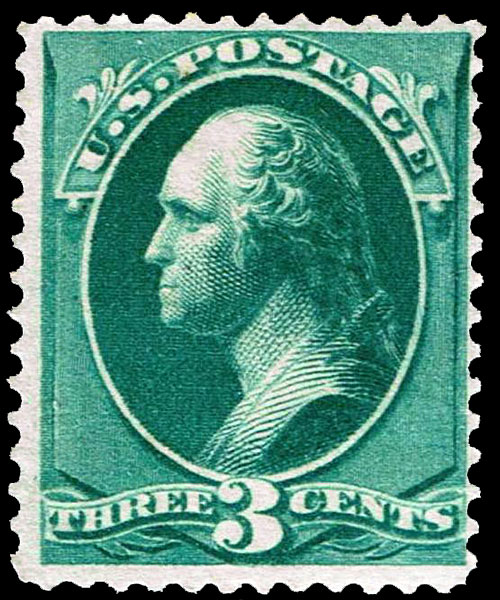
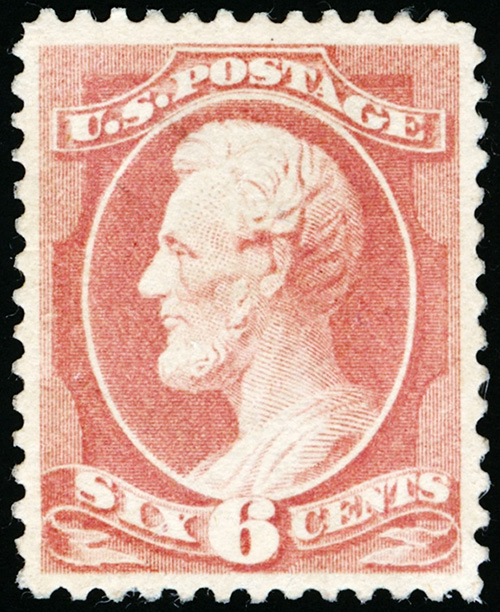
The 1881-82 Re-engraved Issue
Click your selected stamp