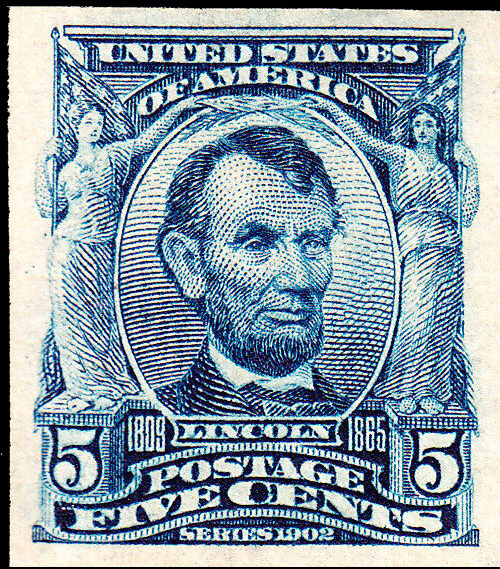
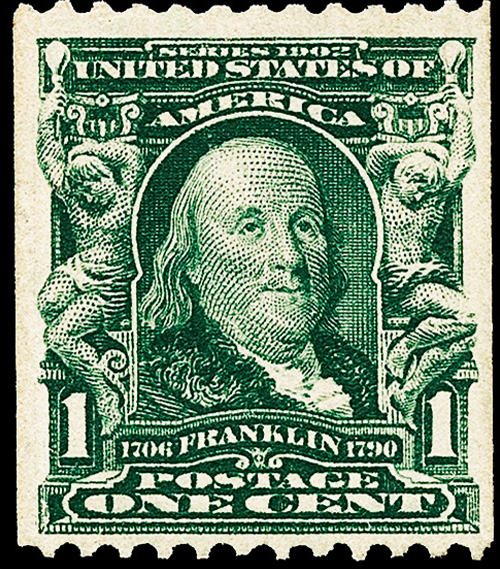
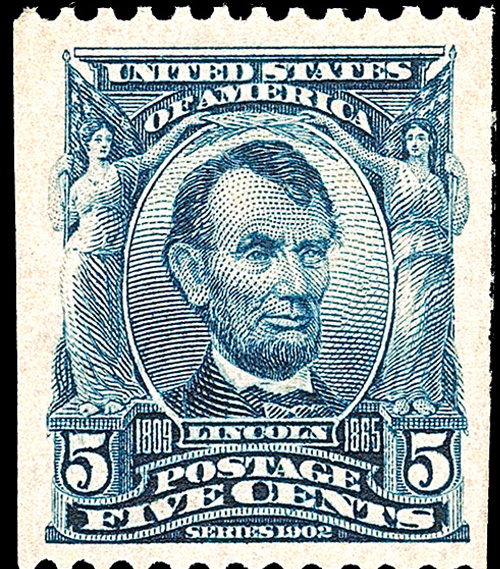
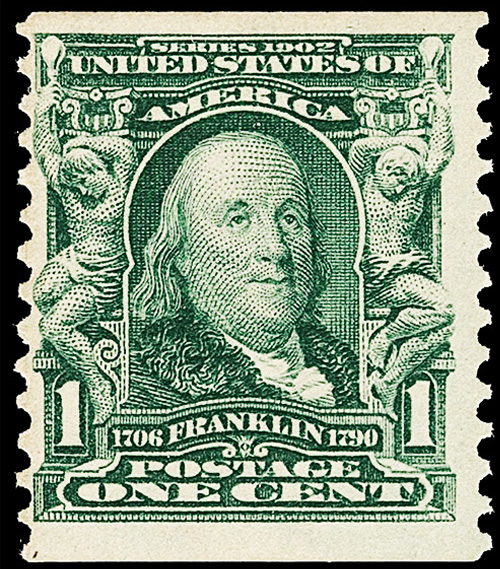
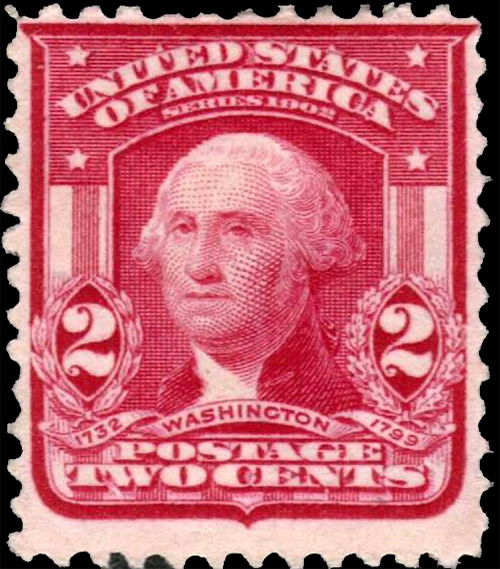
An unused stamp with perfect gum:
$15-$25 (singles) $35-$75 (pairs)
An unused stamp with gum and a hinge mark:
$5-$8 (singles) (pairs) $20-$35
A used stamp: $20-$30 (singles) $30-$40 (pairs)
A hasty redesign
A quick improvement
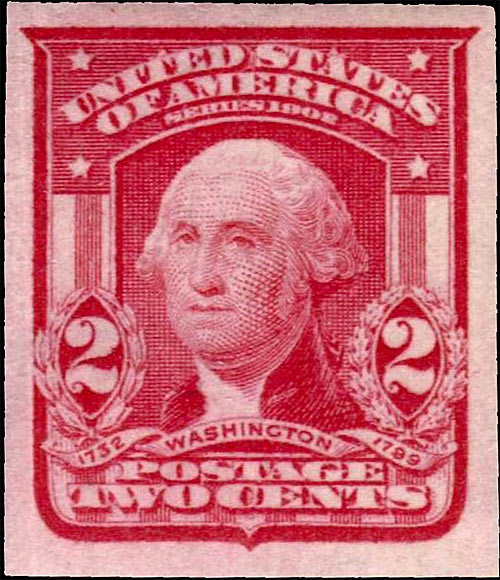
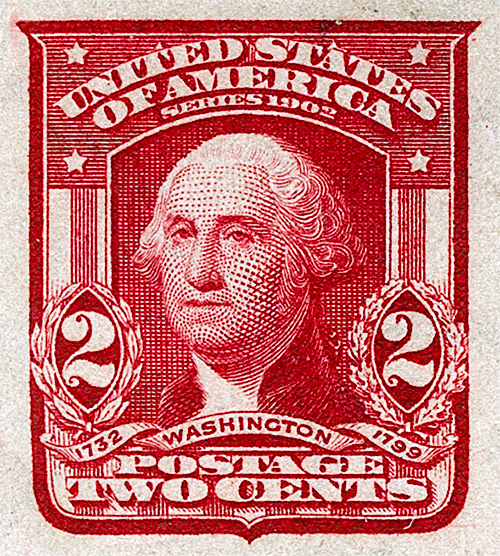
#319 was hastily redesigned and issued after the public mocked its predecessor, #301. The original version depicted a portrait of the first president surrounded by flags, but the ink and fast printing presses made Washington look weak and unflattering. The New York Sun even joked he had "the nose of a toper".
To fix the public relations disaster, the US Post Office introduced Scott #319 in November 1903. This redesigned stamp eliminated the flags and framed Washington's portrait inside an elegant shield, quickly restoring his iconic, heroic image.
The public and collectors greatly preferred the clean, regal framing of the shield, making it a huge success.
Two Types
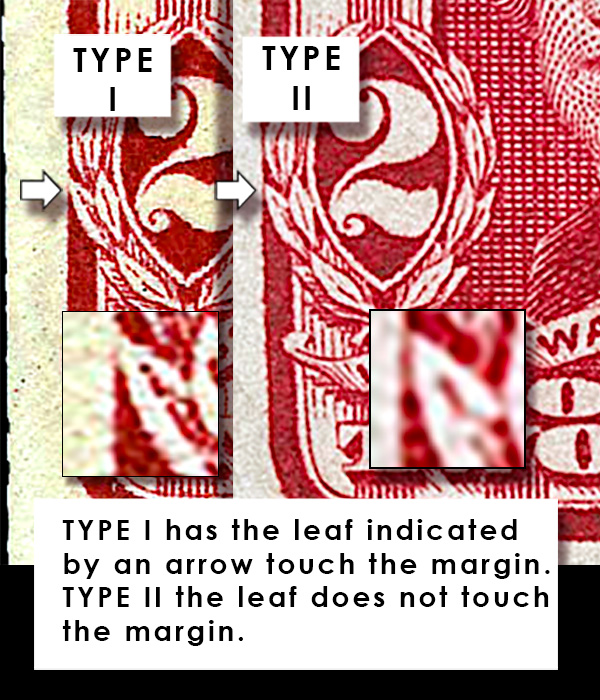
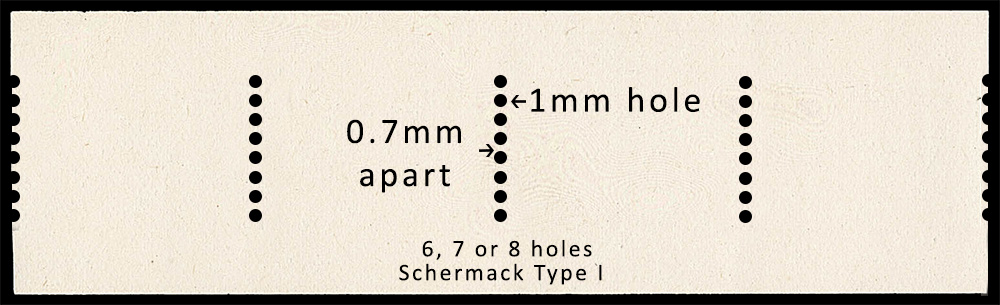
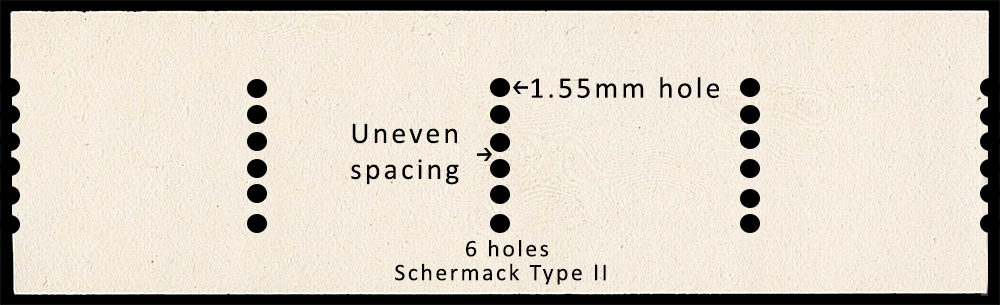
There are two types of the redesigned Washington 2¢ of 1903. It is useful to know the difference between the type I #319 and the type II.
1906-08 imperforate stamps and private perforations
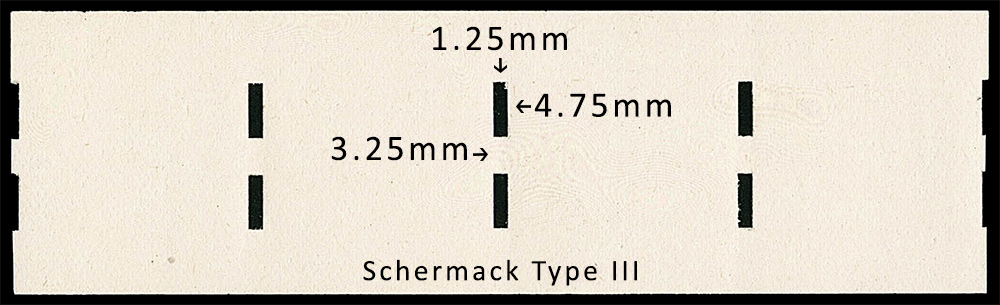
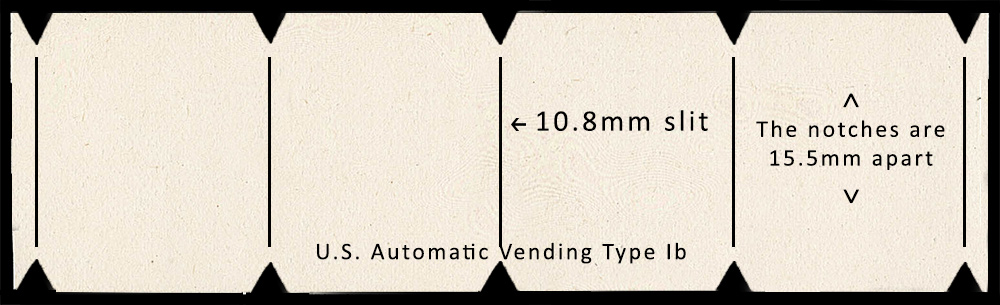
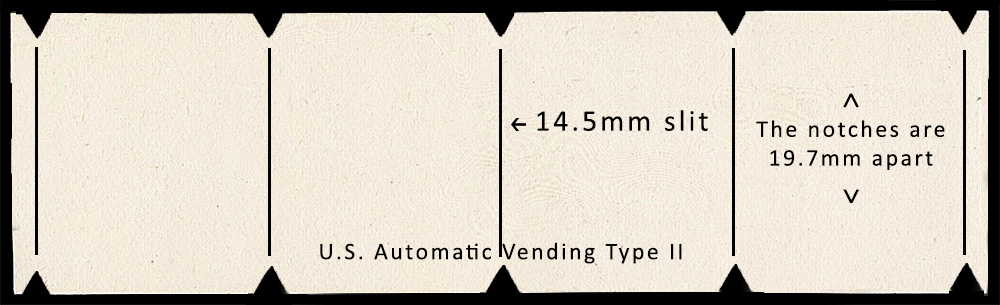
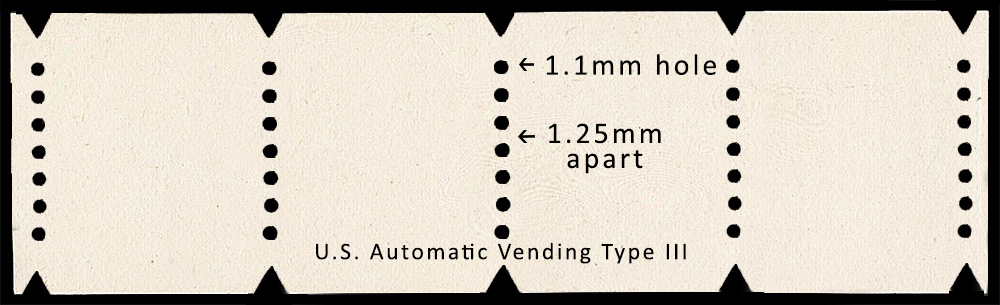
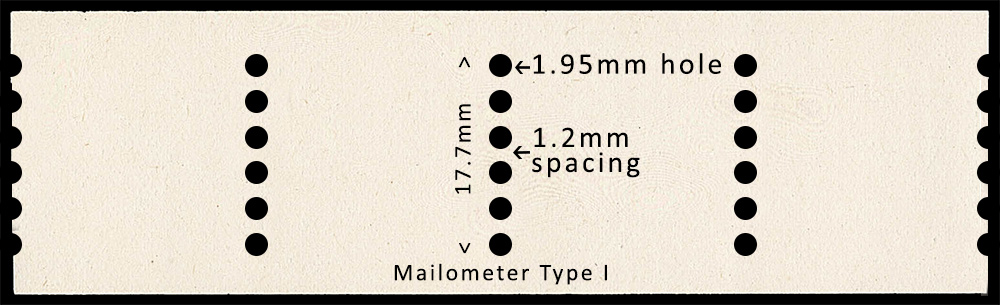
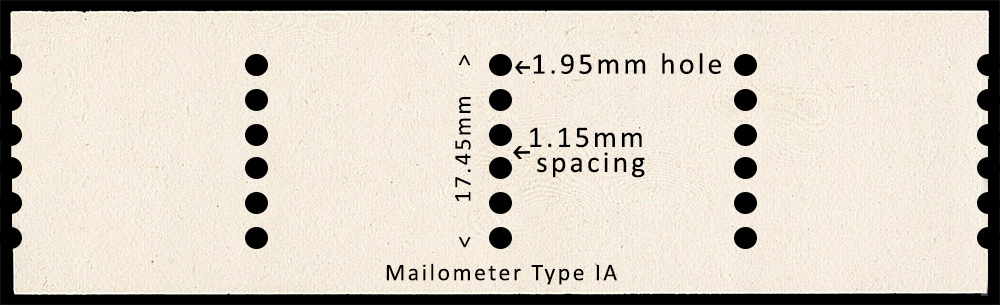
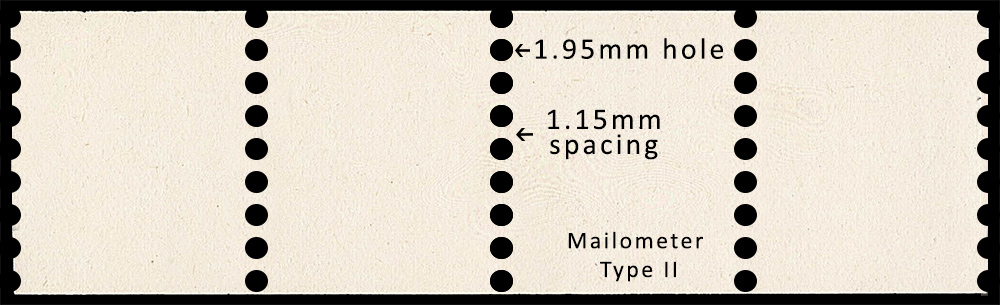
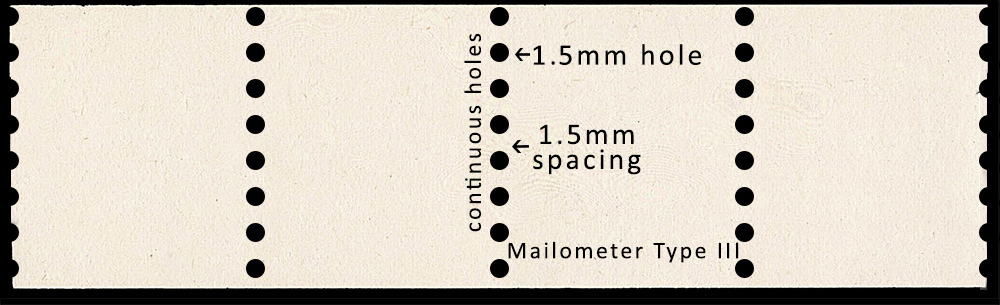
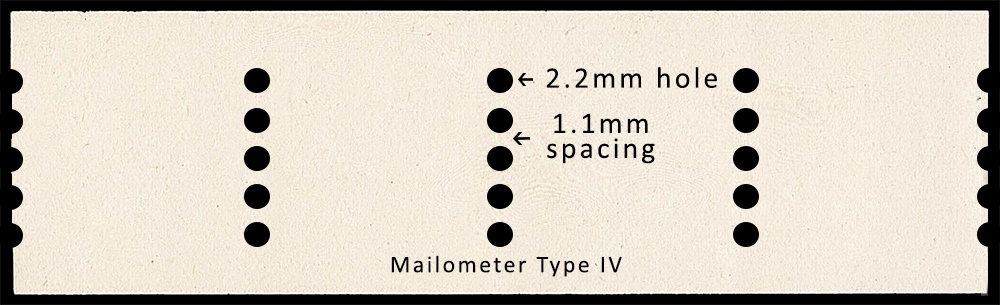
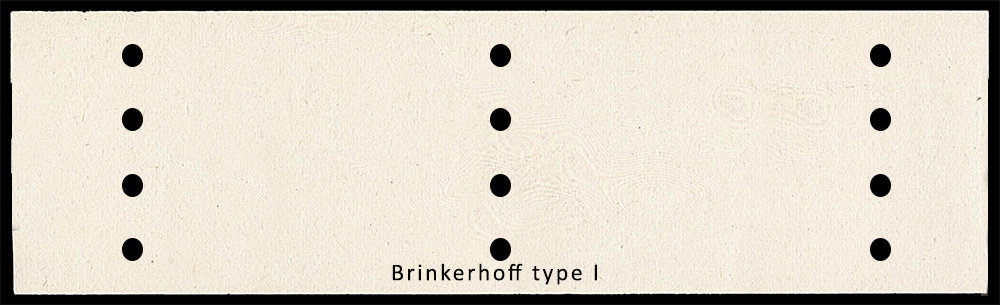
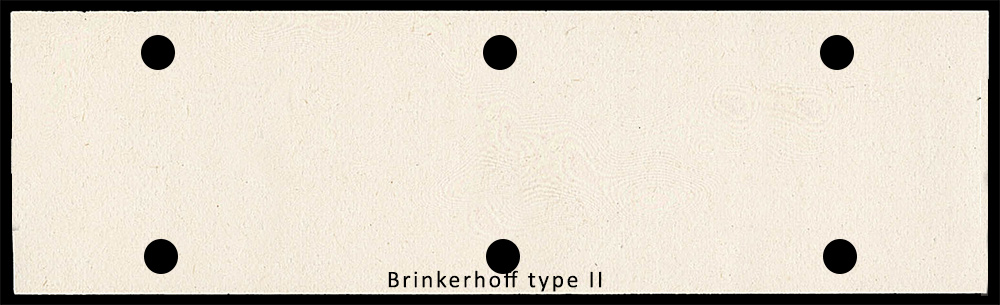
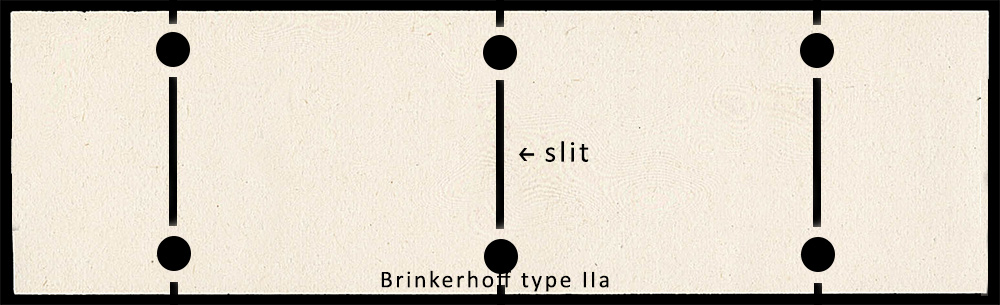
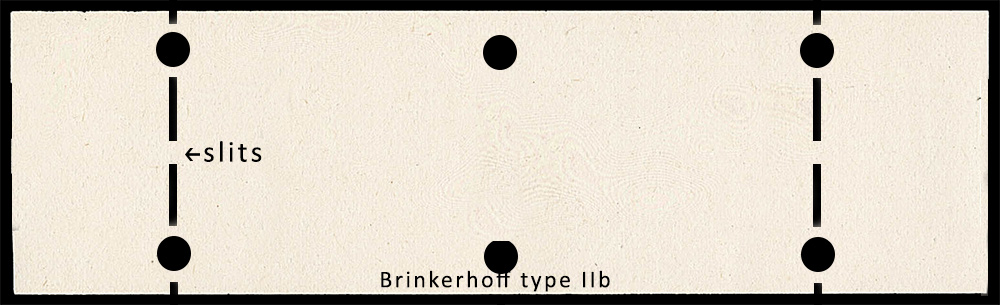
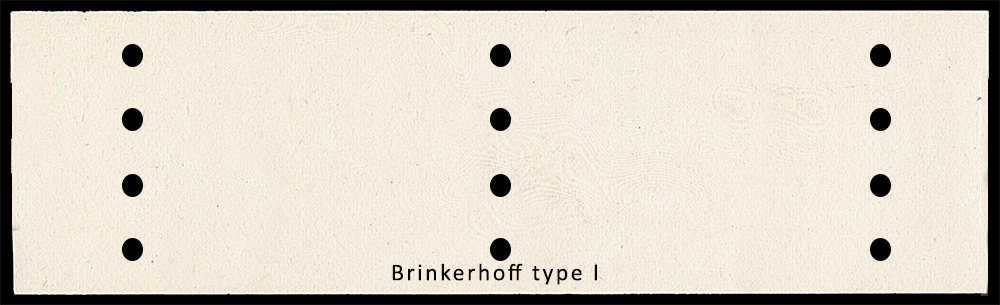
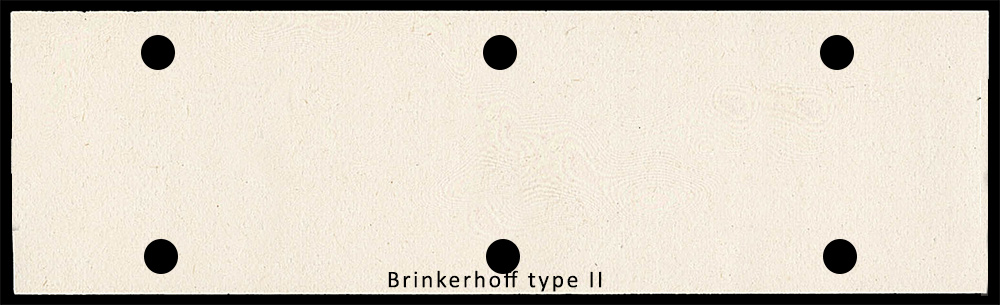
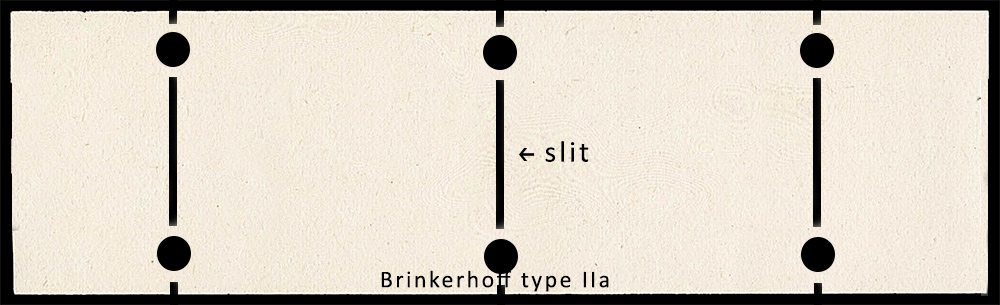
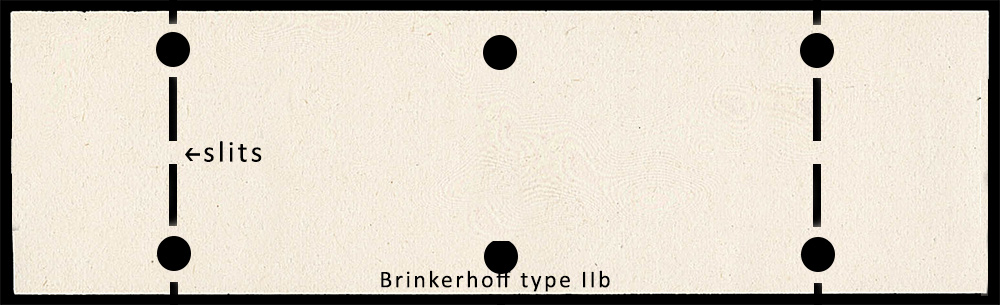
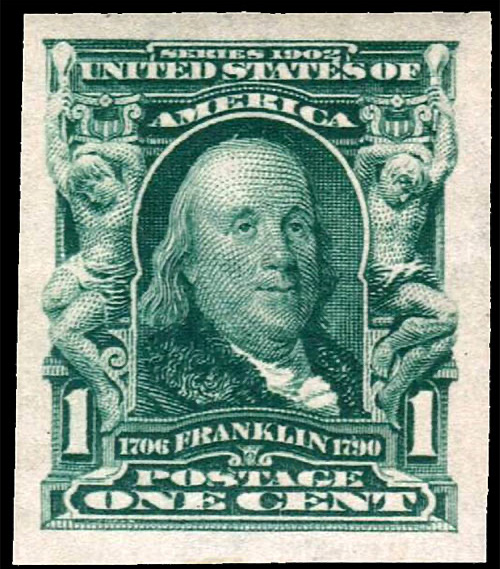
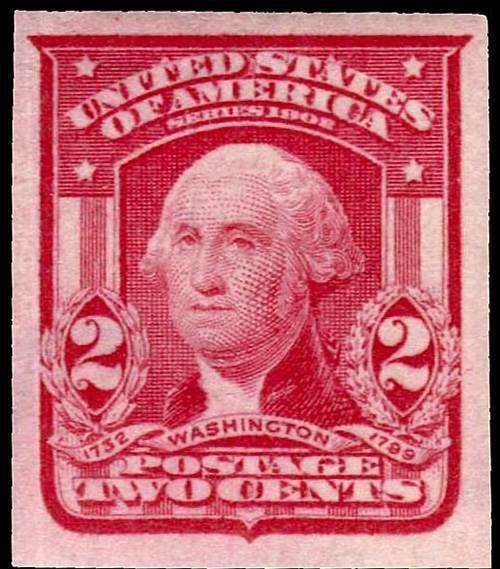
The imperforate stamps from 1906-08 were issued without perforations specifically to supply private stamp vending and affixing machine companies. These early automated companies purchased uncut sheets of 400 stamps from the Post Office. They then cut the sheets into rolls (coils) and applied their own proprietary perforations or slots so the stamps could dispense from their machines. A guide to these proprietary perforations can be found by clicking the button below.
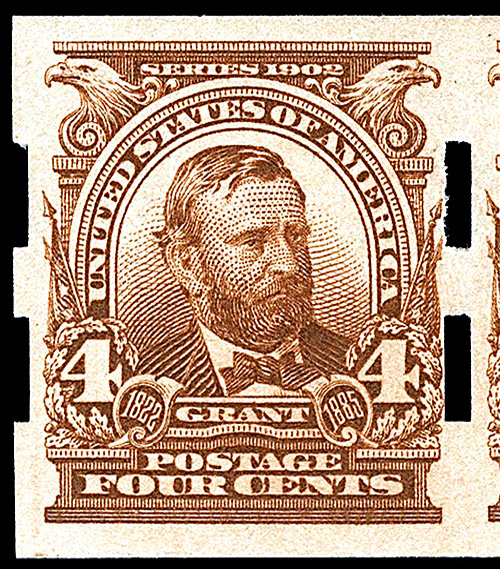
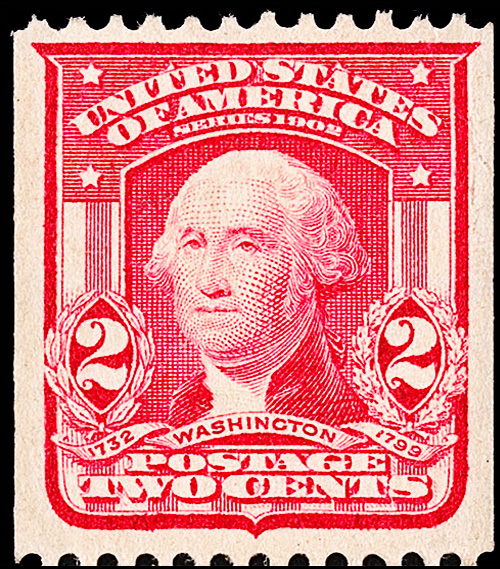
Vending machines required stamps with straight edges, either on the top and bottom or on both sides to operate the machines. Initially the Bureau perforated sheets in only one direction and then cut them into strips. These strips were then hand pasted into rolls and sold as a roll of coiled stamps.
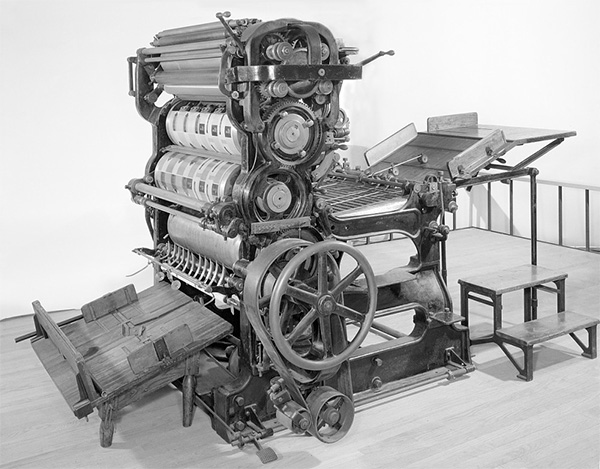
The process of pasting together the strips was labor intensive and coils were not cheap to produce. The advent of the rotary press saved the day.
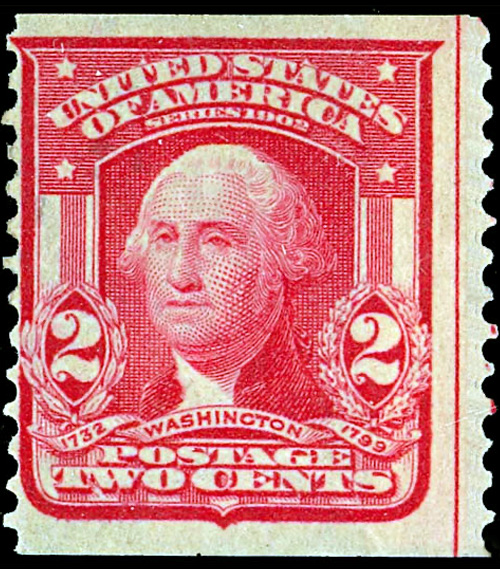
The blades in the both the first experimental machines were much to be desired and usually meant separating the stamps meant a torn stamp. The private perforations were employed to aid separation. Various perforations were used.
BIn 1906, Scott #320 was produced in imperforate form and coils. This was originally done specifically for manufacturers of early private stamp vending machines in Chicago. Because they were initially released only in the Midwest, East Coast stamp dealers were unaware of their existence for some time.
#320a, #320b
#320a
Scarlet
#320c
Carmine rose
Usage
{ if (window.innerWidth >= bp.minWidth) enabled = bp.enabled; });
if (!enabled) return;
const pic = $el.closest('picture');
const light = pic && pic.querySelector('source[data-lightbox-role="light"]');
const dark = pic && pic.querySelector('source[data-lightbox-role="dark"]');
$dispatch('image-lightbox-open', {
id: 'rw37318419_2B5B_4E09_BB27_781890BD8478',
src: (light && light.getAttribute('srcset')) || $el.currentSrc || $el.src,
srcDark: (dark && dark.getAttribute('srcset')) || null,
alt: $el.alt,
});
" decoding="async" />
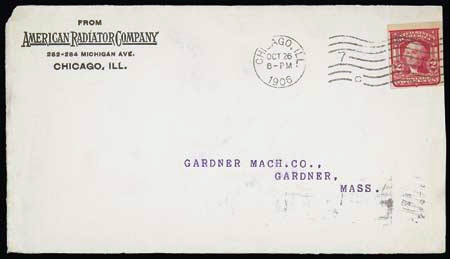
#320 earliest recorded use, October 26th 1906
The 2¢ Washington stamp paid the standard ½ ounce rate.
Essays and Proofs
{ if (window.innerWidth >= bp.minWidth) enabled = bp.enabled; });
if (!enabled) return;
const pic = $el.closest('picture');
const light = pic && pic.querySelector('source[data-lightbox-role="light"]');
const dark = pic && pic.querySelector('source[data-lightbox-role="dark"]');
$dispatch('image-lightbox-open', {
id: 'rwC8AAFCFC_7215_4646_8DE4_E5DE80A37B86',
src: (light && light.getAttribute('srcset')) || $el.currentSrc || $el.src,
srcDark: (dark && dark.getAttribute('srcset')) || null,
alt: $el.alt,
});
" oncontextmenu="return false" ondragstart="return false" onmousedown="return false" loading="lazy" decoding="async" />
{ if (window.innerWidth >= bp.minWidth) enabled = bp.enabled; });
if (!enabled) return;
const pic = $el.closest('picture');
const light = pic && pic.querySelector('source[data-lightbox-role="light"]');
const dark = pic && pic.querySelector('source[data-lightbox-role="dark"]');
$dispatch('image-lightbox-open', {
id: 'rwEFE93F77_CEBD_4467_9D06_569BD257AAAC',
src: (light && light.getAttribute('srcset')) || $el.currentSrc || $el.src,
srcDark: (dark && dark.getAttribute('srcset')) || null,
alt: $el.alt,
});
" oncontextmenu="return false" ondragstart="return false" onmousedown="return false" loading="lazy" decoding="async" />
{ if (window.innerWidth >= bp.minWidth) enabled = bp.enabled; });
if (!enabled) return;
const pic = $el.closest('picture');
const light = pic && pic.querySelector('source[data-lightbox-role="light"]');
const dark = pic && pic.querySelector('source[data-lightbox-role="dark"]');
$dispatch('image-lightbox-open', {
id: 'rw8B086492_E776_436D_843B_9C9B95E6E6DB',
src: (light && light.getAttribute('srcset')) || $el.currentSrc || $el.src,
srcDark: (dark && dark.getAttribute('srcset')) || null,
alt: $el.alt,
});
" oncontextmenu="return false" ondragstart="return false" onmousedown="return false" loading="lazy" decoding="async" />
{ if (window.innerWidth >= bp.minWidth) enabled = bp.enabled; });
if (!enabled) return;
const pic = $el.closest('picture');
const light = pic && pic.querySelector('source[data-lightbox-role="light"]');
const dark = pic && pic.querySelector('source[data-lightbox-role="dark"]');
$dispatch('image-lightbox-open', {
id: 'rw318DBCC9_9843_4FCF_9C58_639CAA226B89',
src: (light && light.getAttribute('srcset')) || $el.currentSrc || $el.src,
srcDark: (dark && dark.getAttribute('srcset')) || null,
alt: $el.alt,
});
" oncontextmenu="return false" ondragstart="return false" onmousedown="return false" loading="lazy" decoding="async" />
{ if (window.innerWidth >= bp.minWidth) enabled = bp.enabled; });
if (!enabled) return;
const pic = $el.closest('picture');
const light = pic && pic.querySelector('source[data-lightbox-role="light"]');
const dark = pic && pic.querySelector('source[data-lightbox-role="dark"]');
$dispatch('image-lightbox-open', {
id: 'rw20F13DDC_8027_4C78_B561_C7FA69ACDBBC',
src: (light && light.getAttribute('srcset')) || $el.currentSrc || $el.src,
srcDark: (dark && dark.getAttribute('srcset')) || null,
alt: $el.alt,
});
" oncontextmenu="return false" ondragstart="return false" onmousedown="return false" loading="lazy" decoding="async" />
{ if (window.innerWidth >= bp.minWidth) enabled = bp.enabled; });
if (!enabled) return;
const pic = $el.closest('picture');
const light = pic && pic.querySelector('source[data-lightbox-role="light"]');
const dark = pic && pic.querySelector('source[data-lightbox-role="dark"]');
$dispatch('image-lightbox-open', {
id: 'rw4DD1BA1F_F68D_4F80_8558_9E9CB803A266',
src: (light && light.getAttribute('srcset')) || $el.currentSrc || $el.src,
srcDark: (dark && dark.getAttribute('srcset')) || null,
alt: $el.alt,
});
" oncontextmenu="return false" ondragstart="return false" onmousedown="return false" loading="lazy" decoding="async" />
The Plates and a Full Pane
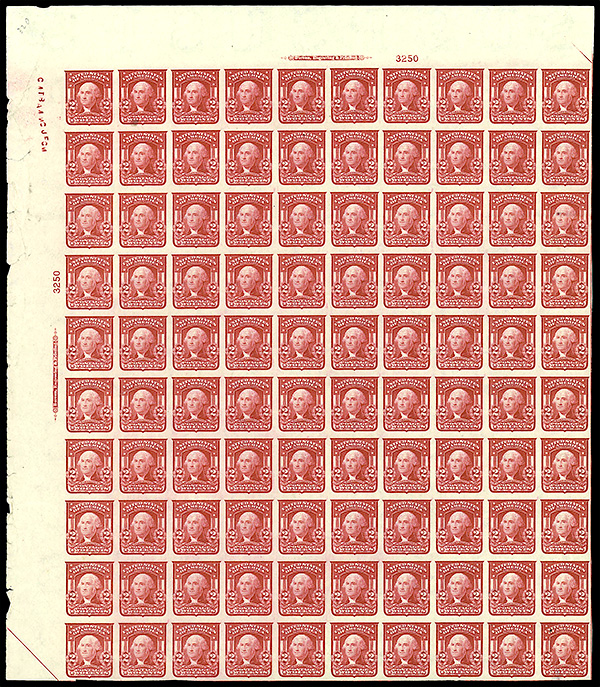
#320 was issued with the following plate #'s
Number only
3136, 3160-62, 3164, 3222, 3248-51, 3295, 3298, 3301, 3305, 3399, 3451-54, 3706, 3709, 4146, 4152-53, 4204, 4218-19, 4243, 4262, 4268-69, 4277, 4315, 4323, 4337, 4345, 4350
A pane of 100 stamps, there were four panes to a sheet
The Inspiration for the Design
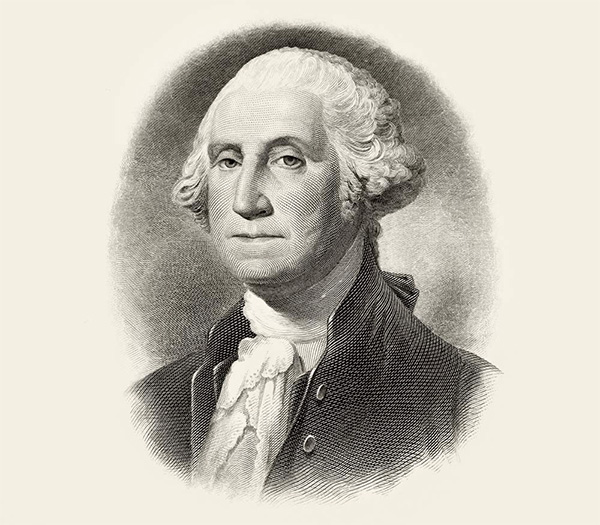
In the nineteenth century George Washington was depicted by a bust on the 2¢ value, with the exception of the 1869 6¢. The 1902 series made the switch from busts to portraits.
The portrait design was based on the unfinished portrait of George Washington by Gilbert Stuart. The vignette, framed by two American flags, is often referred to as the Washington 'Flag' stamp, The stamp was engraved by George F. C. Smillie (portrait), Robert F. Ponickau (frame), and Lyman F. Ellis (lettering and numerals).