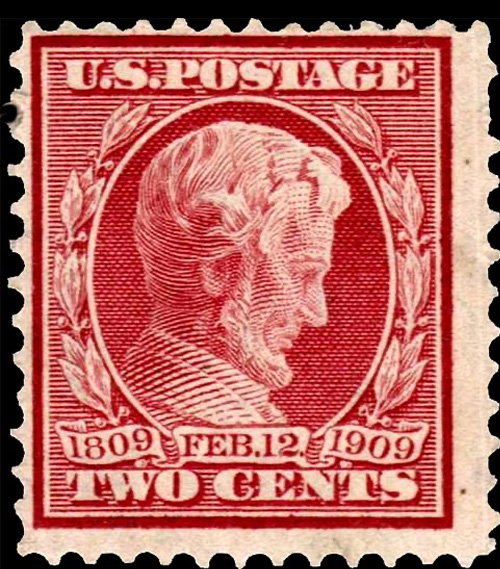
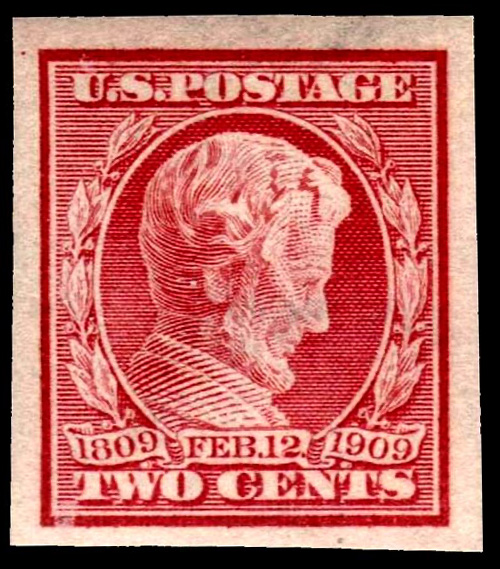
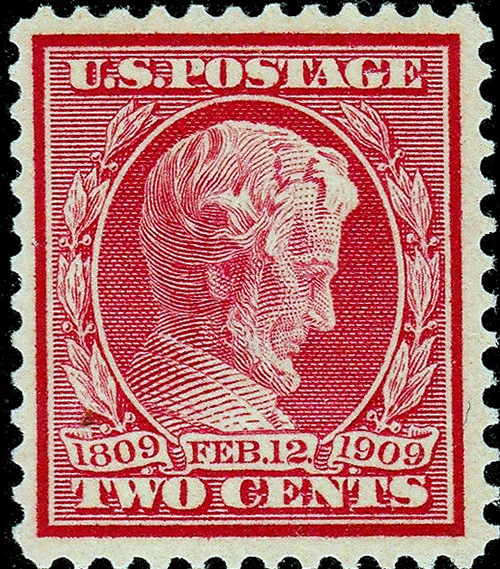
#368 -1909 2¢ Lincoln Memorial Issue (Imperf)
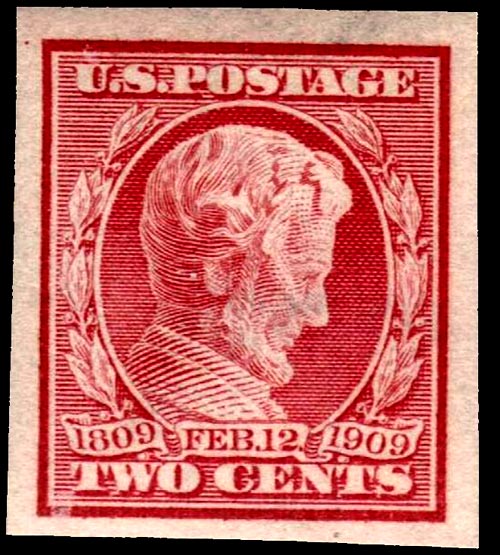
See below for details
Basic Info
2¢ - Carmine, bright carmine
Printing Method: FLAT PLATE
Subject: President Abraham Lincoln
Number issued: 1,300,000
Perforations: Imperforate
Watermark: Double line USPS
Scott #:368
Issued: February 12, 1909
Value for Singles
Used
$4- $12
No postmark with gum (MH)
$5 - $9
Full perfect gum, no postmark
no trace of stamp hinge mark (MNH)
$10 - $14
Value for Pairs
Used
$8- $12
No postmark with gum (MH)
$10 - $13
Full perfect gum, no postmark
no trace of stamp hinge mark (MNH)
$17 - $25
Updated Oct 2024
Notable Sales
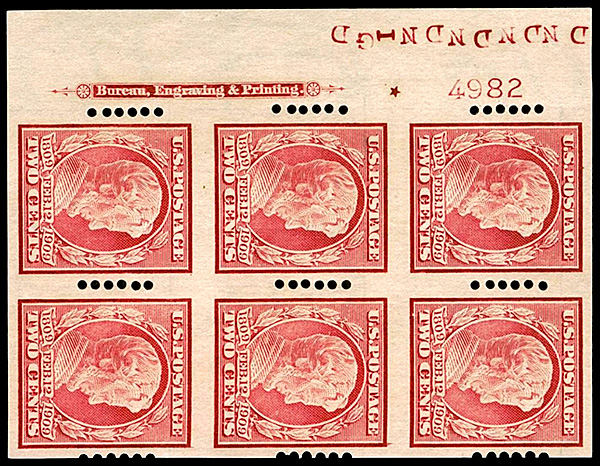
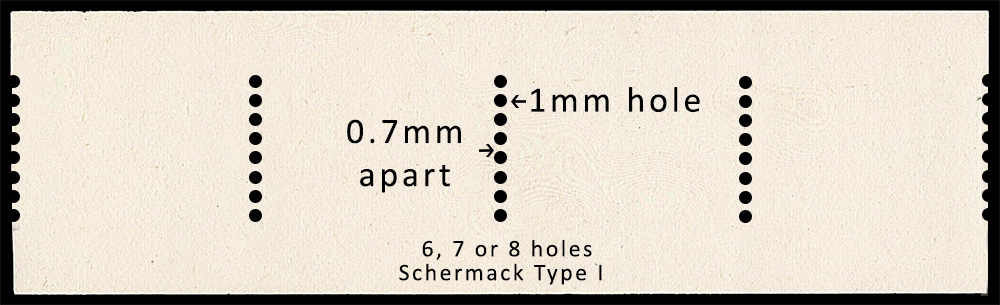
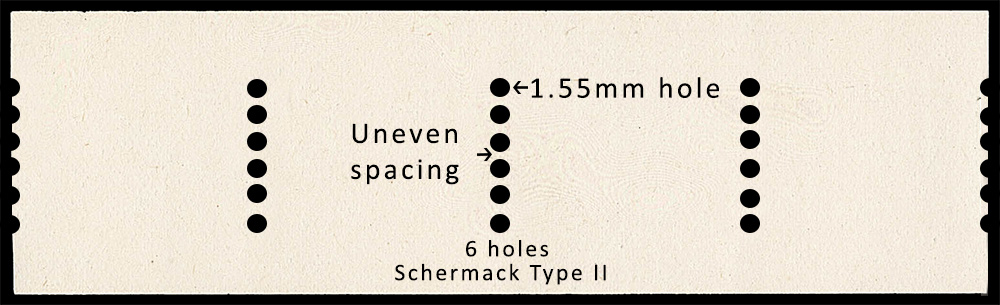
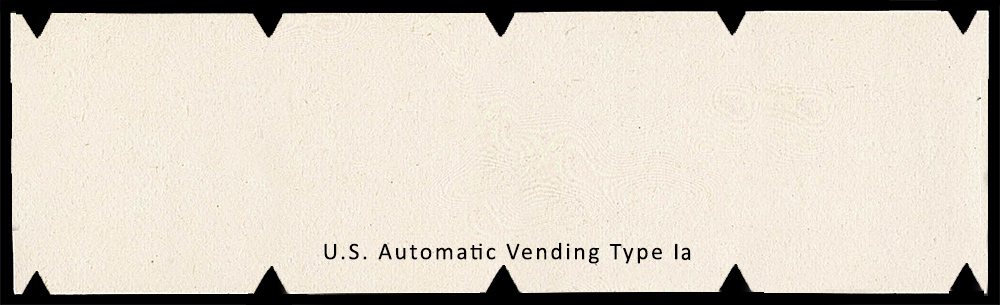
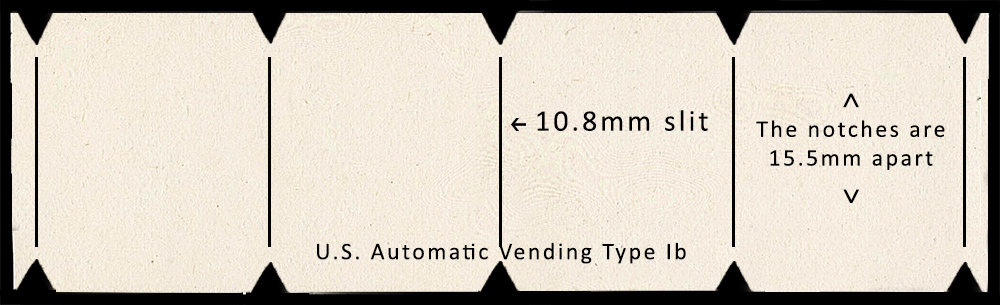
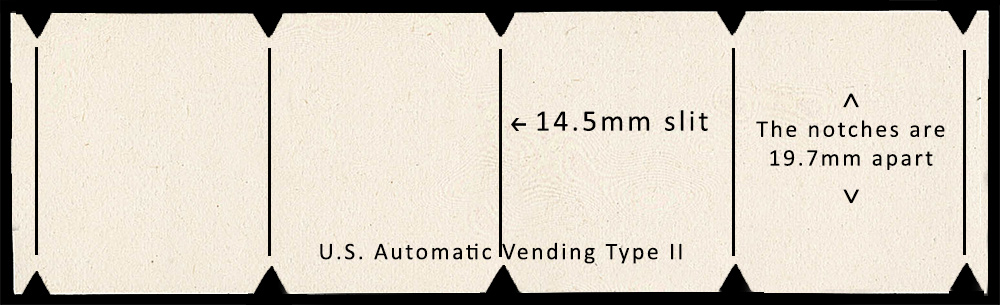
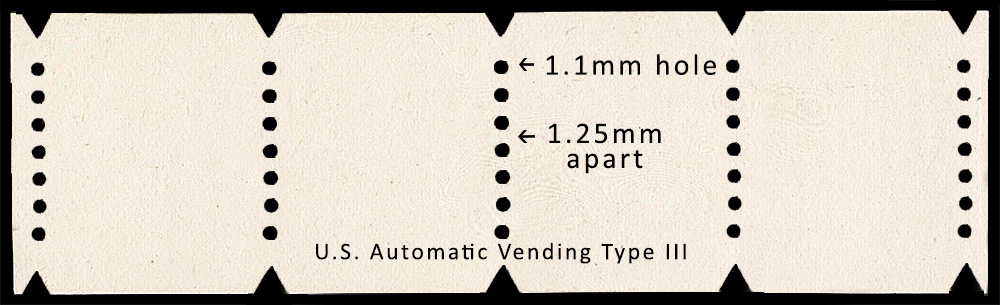
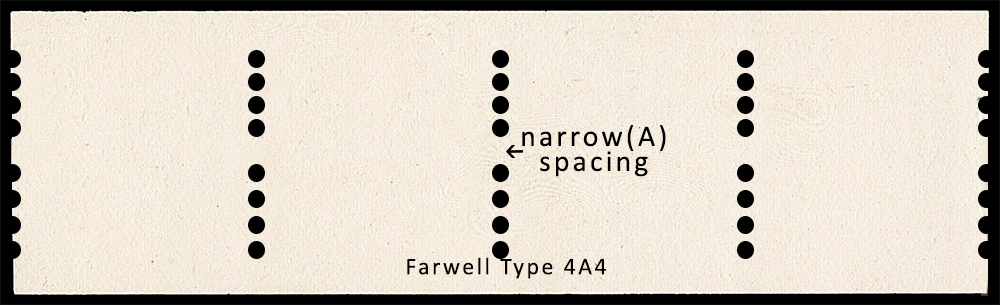
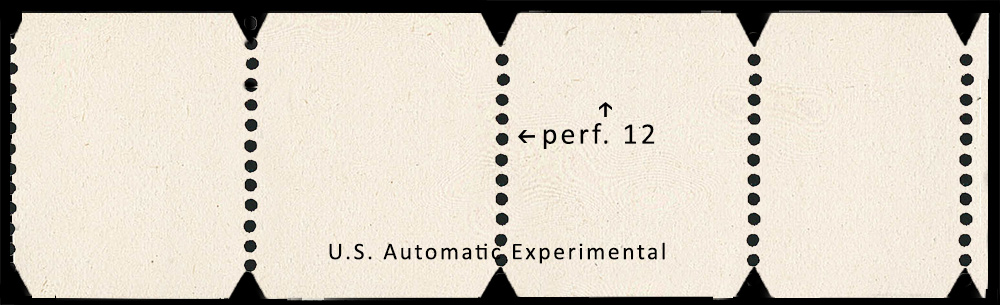
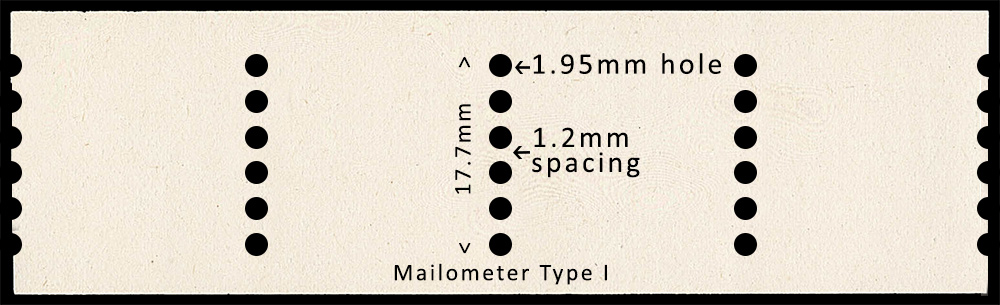
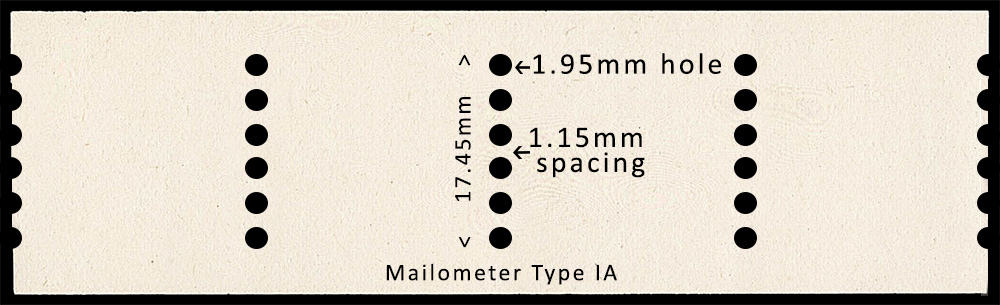
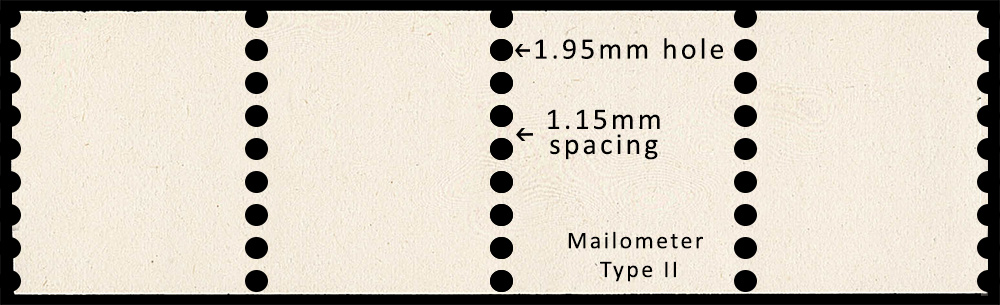
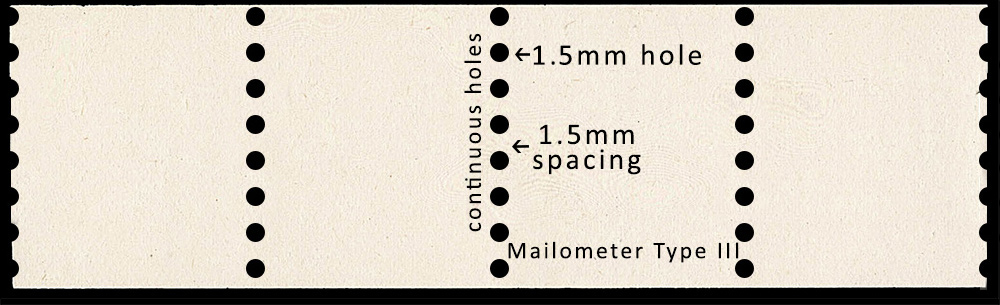
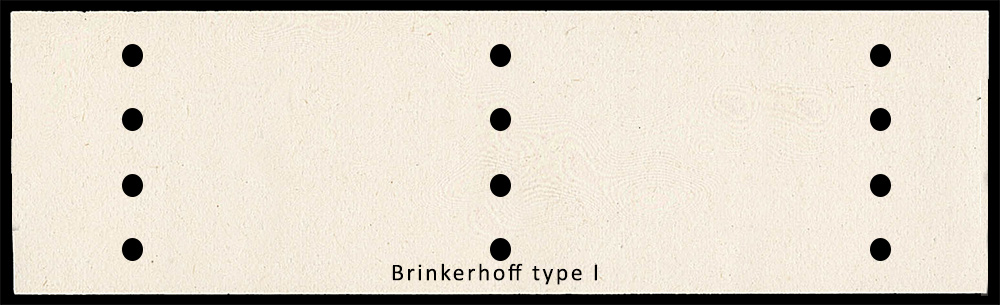
A full plate block of #368, with the rarer Schermack type I private perforations. The type III Schermack perforations are by far the most commonly found on this issue. Perhaps the rarest perforation on this issue is the Farwell 4A4 perforation. A pair of these, hinged, will fetch one thousand dollars. For more on private perforations see below.
Sold April 2022 for $4,425 (MH)
Explore Robert Siegel's Auction Galleries
A full pane

A pane of 100 of #368, there are four panes to a sheet of 400
An after thought
Every US philatelist will be aware of the Washington-Franklin series of stamps. But did you know that the Bureau of engraving originally proposed the series to be the Washington-Franklin-Lincoln issue? After all, since 1866, Lincoln's portrait had continually graced the face of US stamps. However, when the issue was unveiled in 1908, there was, as we know now, no denomination with Lincoln's portrait on it. The absence of Lincoln caused an uproar in the House of Representatives, Senate, and with the wider general public. The Postmaster General was deluged with protests. Why not now?
The absence of Lincoln had to be corrected. The Bureau had completed the Washington-Franklins. Thus a Lincoln stamp would be a duplicate. As the 1oz letter rate at the time was 2¢, it was selected as the most widely visible use of his portrait. As it happens, the centenary of Lincoln's birth was to fall in the next year, 1909, so the commemorative issue was scheduled to be issued on his birthday, the 12th February 1909.
This imperforate issue was created for vending machine operators, it was also sold in full sheets at post office to supply the needs of philatelists.
The design inspiration
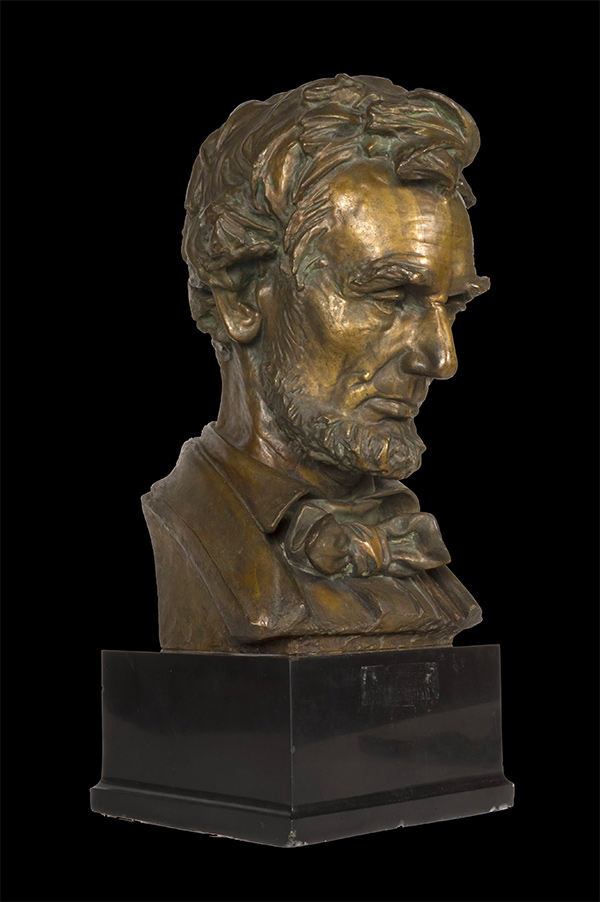
The design vignette is an engraving of Saint Gauden's bust of Abraham Lincoln
First Day Cover
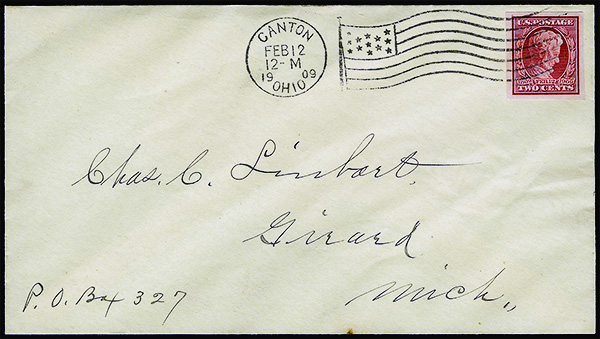
A first day cover of #368, February 12th, 1909
Lincoln's birthday
#368 Plate #'s

#368 was issued with the following plate #'s
4976-79, 82-84
Essay's and Proofs

367-E3
Large die essay on India die sunk on card

367-E3

367-P1
A large die proof on India

367-P1

367-P2
Small die proof on India

367-P2

367-P3
Plate proof on India

367-P3

367-E2
Retouched artist's model reduced to stamp size with dates added

367-E2



1909 Commemoratives
Click your selected stamp