#401 - 1915 Pan-Pacific 1¢ P10

See below for details
Basic Info
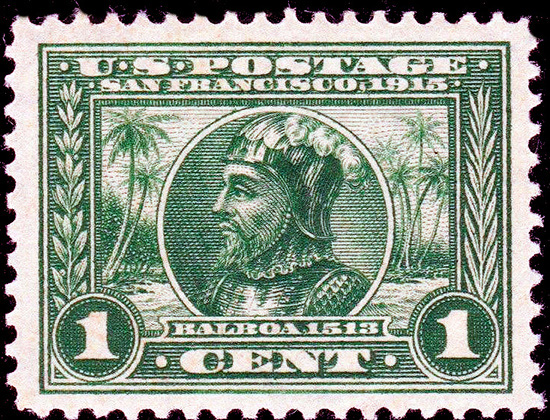
1¢ - Green, dark green
Printing Method: FLAT PLATE
Subject: Vasco Núñez de Balboa
Number issued: n/k
Perforations: 10
Watermark: Single Line USPS
Scott #: 401
Issued: February 14th, 1915
The perforations were changed after two years of production from 12 to 10 perforations, the latter was deemed to be easier to separate. The 10 perforation was only in production for 13 months and because of this and the fact that most collectors did not notice the change, the 10 perforated stamps are more valuable than the 12 perforated stamps of this issue.
Value
Used
$1.25- $2
No postmark with gum (MH)
$6 - $11
Full perfect gum, no postmark
no trace of stamp hinge mark (MNH)
$25 - $40
Notable Sales

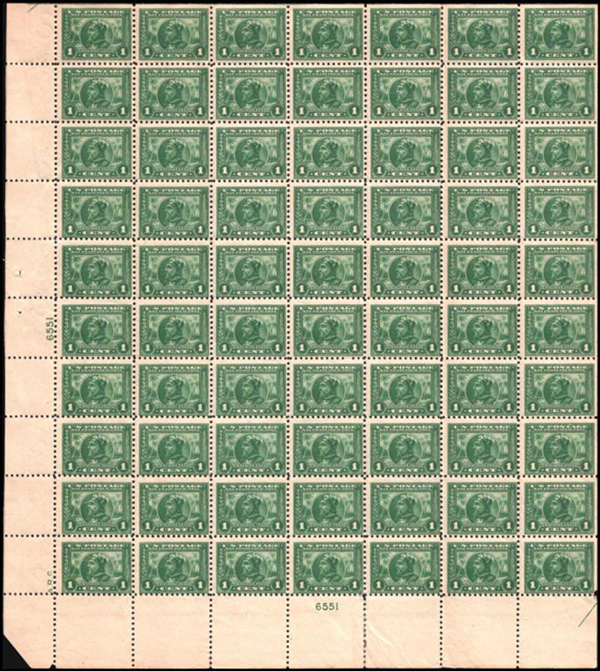
A rare example of a complete pane.
Sold April 2022 for $1,595 (MNH)
Explore Michael E. Aldrich Auctions
Precancels

#401 did have precancels, although uncommon.
Plate #'s
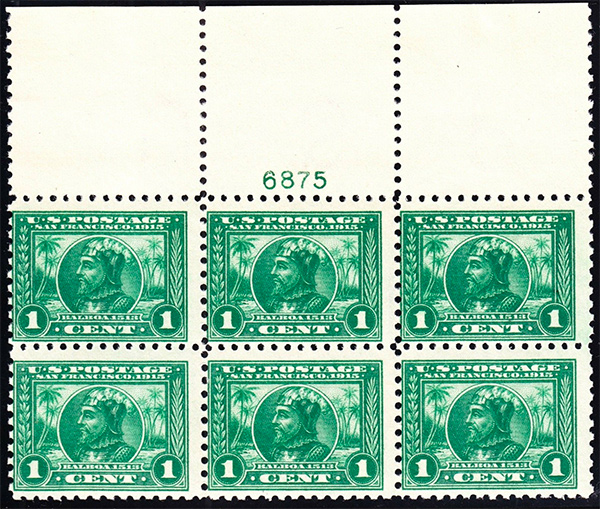
#401 was issued with the following plate #'s
Number only
6548-51
6875-80, 91
6944
Plate numbers 6548-51 were the plates from #397
First Day Cover
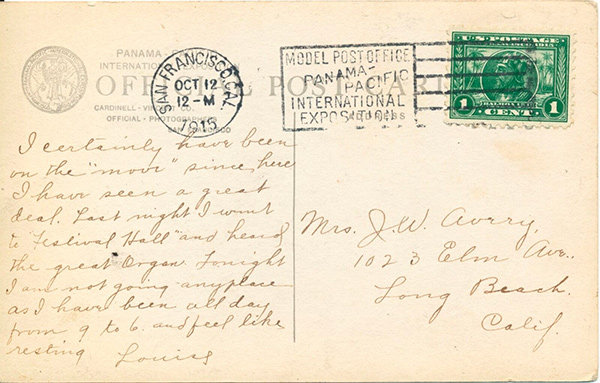
A Panama-Pacific Exposition cancel used on #401 at the expo
Inspiration for the Design
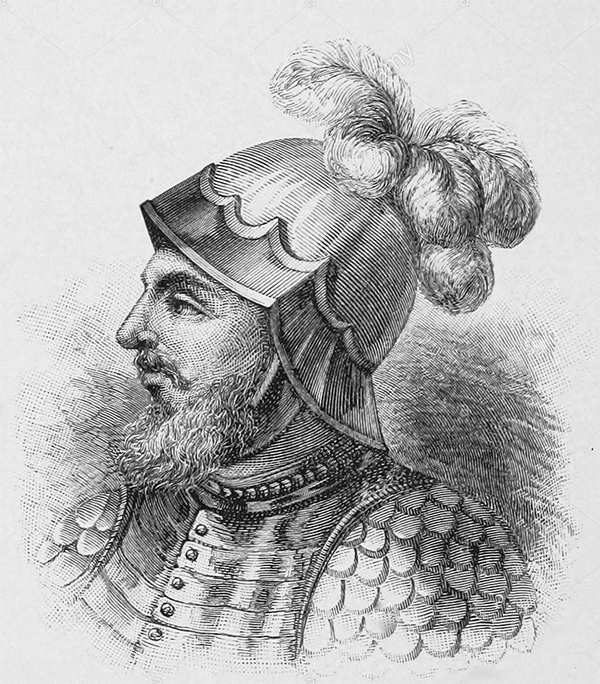
Source engraving for the vignette design
The story behind this series
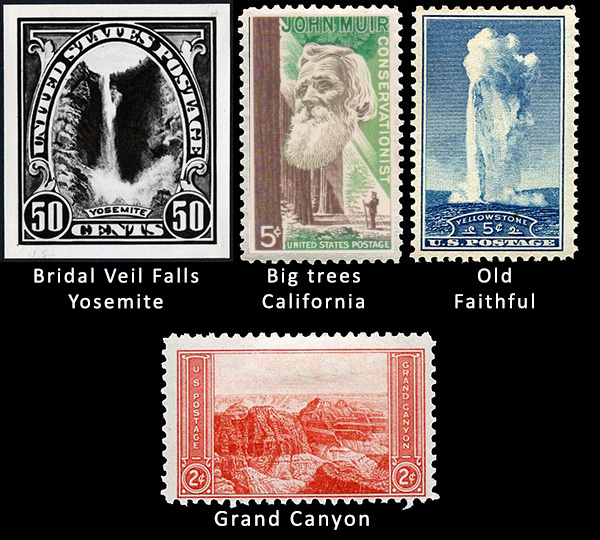
This change in attitude on the part of philatelic interests is evidenced by the various ideas for the "new commemoratives to be issued to celebrate the opening of the Panama Canal" suggested by stamp publications in 1911 and 1912. The leader in this movement was the Philatelic Gazette, whose editor, Wm. W. Randall, as a native Californian, had a two fold interest, in the advertising of the exposition and in the philatelic value of distinctive new' stamps. In the issue of lMay 15, 1911, he suggested the following six stamps to depict the great scenic effects of the West:
1c - The giant Geyser at Yellowstone National Park*
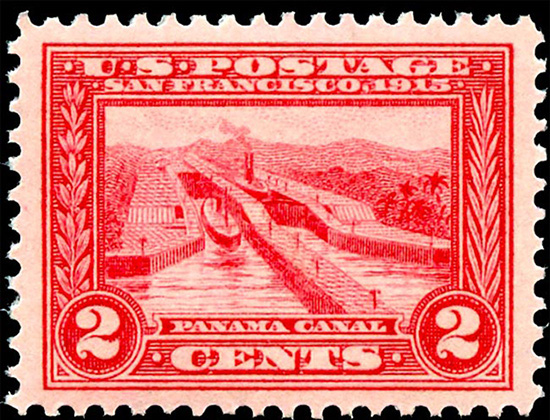
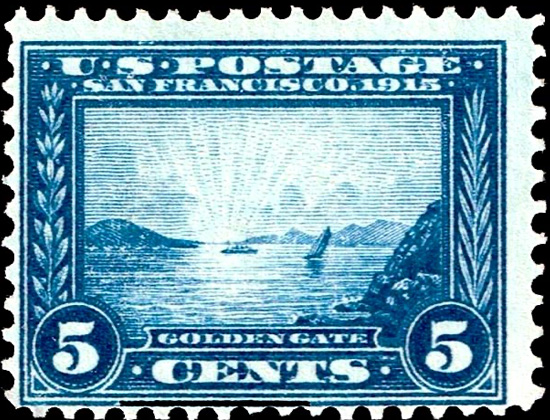
2c - The Golden Gate entrance to San Francisco Harbor
4c - The Grand Canyon of Colorado*
5c - The Locks of the Gatun Dam, Panama Canal
6c - The Big Trees of California*
10c - The Bridal VeiI Falls in Yosemite Valley*
* Four of the suggestions were not taken up, but, as you can see by my illustration above they were designed later in the century. Only the Bridal Falls of Yosemite did not make it on to a stamp.
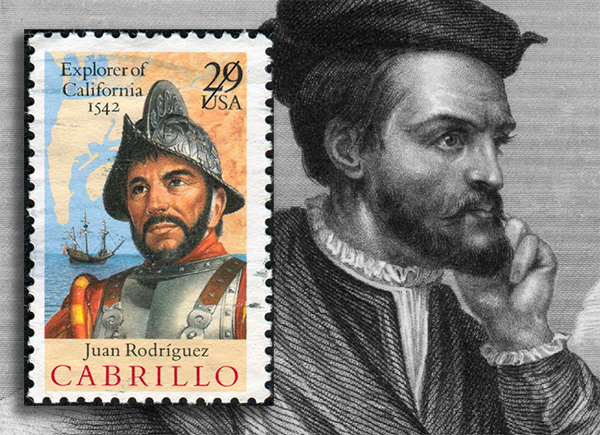
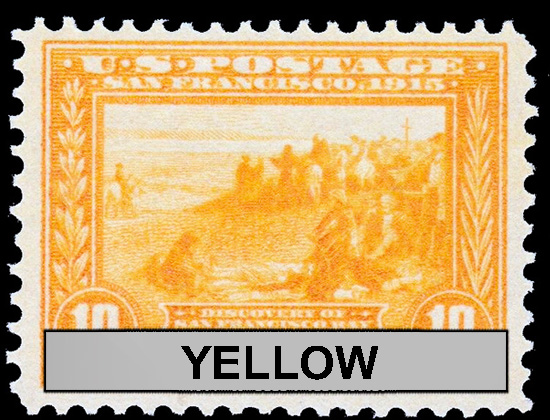
By the middle of August 1912 the designs for the 1 cent and 5 cent had been accepted by Postmaster General Hitchcock, the 5 cent bearing his signature "approved July 16." The 2 cent was almost ready for approval at this time, pending the acceptance of a satisfactory picture of the Gatun Locks. The l0 cent stamp did not make as satisfactory progress as the others as no suitable photo could be found of any of the subjects under consideration. It had been intended to use a portrait of Juan Rodriguez Cabrillo, who in 1542 discovered the California mainland, on the highest denomination, but all efforts to find a picture of him proved futile. I. E. Bennet, who represented the exposition in Washington, finally discovered a painting acceptable to the Department, of one of the subjects under consideration and this was then used. Once the vignette subject had been accepted, work on the 10 cent stamp progressed rapidly, on the 22nd of August the latter stamp was approved, while the 2 cent stamp was not approved until August 27th.
There were, at the time, two fairly common portraits of Cabrillo circulating, and like all portraits of the early Spanish Explorers, they were based on the artists interpretation, there being no contemporary representation. Cabrillo, did make it onto a stamp in 1992.
Vera Cruz
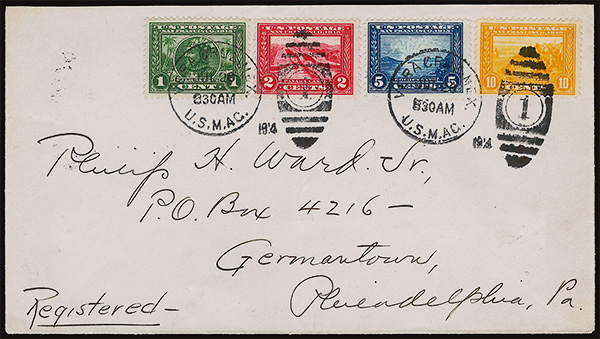
While these stamps were current, a post office was established at Vera Cruz, Mexico, and various denominations of these stamps, perf. 12, may be found with this Vera Cruz cancellation. The station remained open until April 24th, 1914 and was discontinued November 23rd of the same year. Covers franked with stamps of this issue and cancelled Vera Cruz are much sought after. 'Whereas, the two lowest values are still quite common, covers bearing five or ten cent stamps of either perforations have become very desirable.

The above photo shows United States sailors at the door of a post office during the U.S. occupation of Veracruz, Mexico which took place during the Mexican Revolution. The U.S. troops entered the city on April 21, 1914 and stayed through November 1914.
A Full Pane
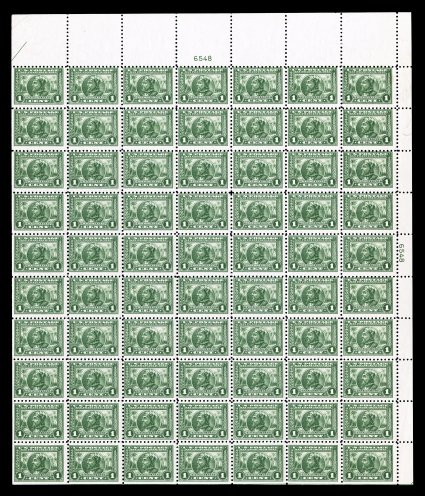
A quarter sheet or one pane (70 stamps) of #401
Essay's and Proofs

397-E1
Designer's model, wash frame
Mounted on thick card

397-E1

397-E
Photograph of the original drawing by C. A. Huston.

397-E

397-E
Large die essay before background shading has been engraved
Die sunk on 152x202mm card

397-E

397-E
Large die proof after background shading has been engraved
Die sunk on 152x202mm card

397-E
The Pan-Pacific Exposition
The exposition was a commercial success and as result efforts were made to save as much as possible, unfortunately most of the buildings were temporary in nature, including the tower. Furthermore almost all the Expo was on leased land and the owners expected to have their land back. Much of the exposition was built of plaster and wood. The Palace of Fine Arts was left to decay by the lagoon, only to be demolished in 1930, since then four replica's have been built in its place.
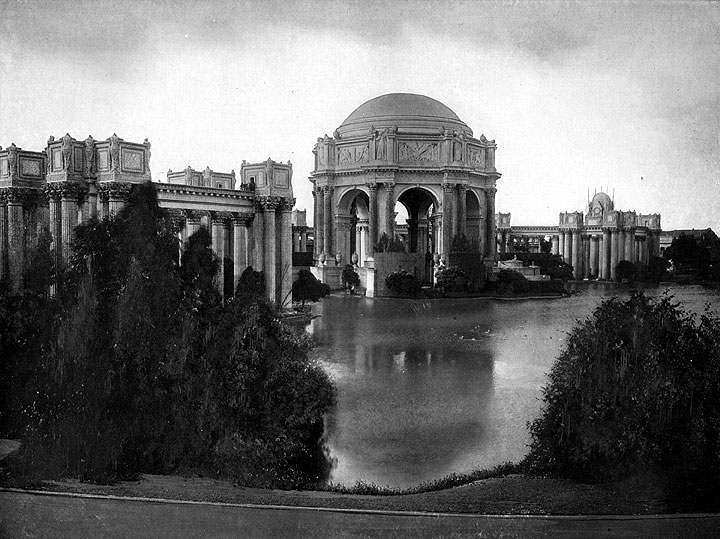
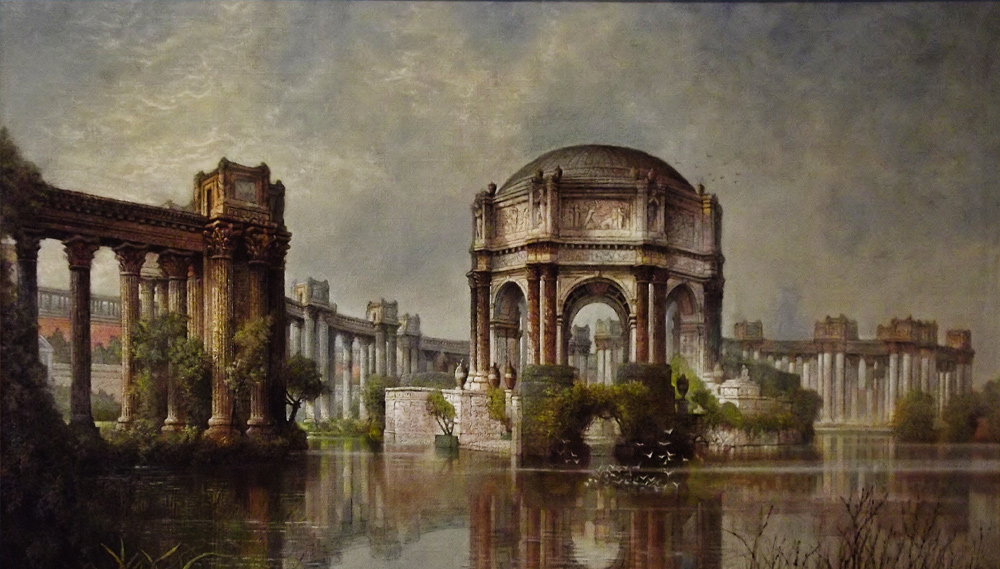
A 1915 photograph and painting of the Palace of Fine Arts

Reconstructed by the city of San Francisco, this is how the Palace of Fine Arts looks today

The Exposition lit at night
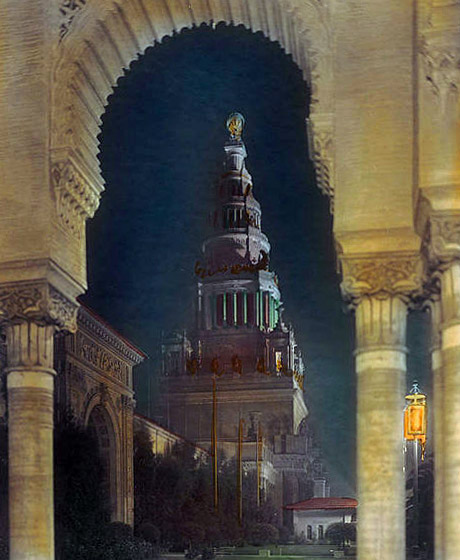
The Tower of Jewels
Encrusted with over 100,000 Novagems to make it sparkle in the sunlight
and at night by spotlight
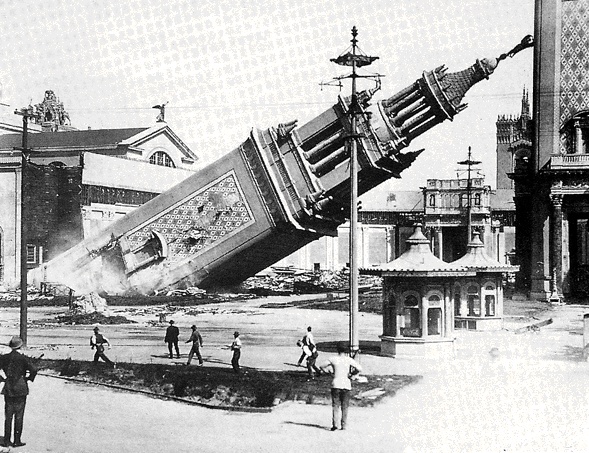
Before demolition the jewels were removed from the tower and sold to the public, boxed, at $1 each
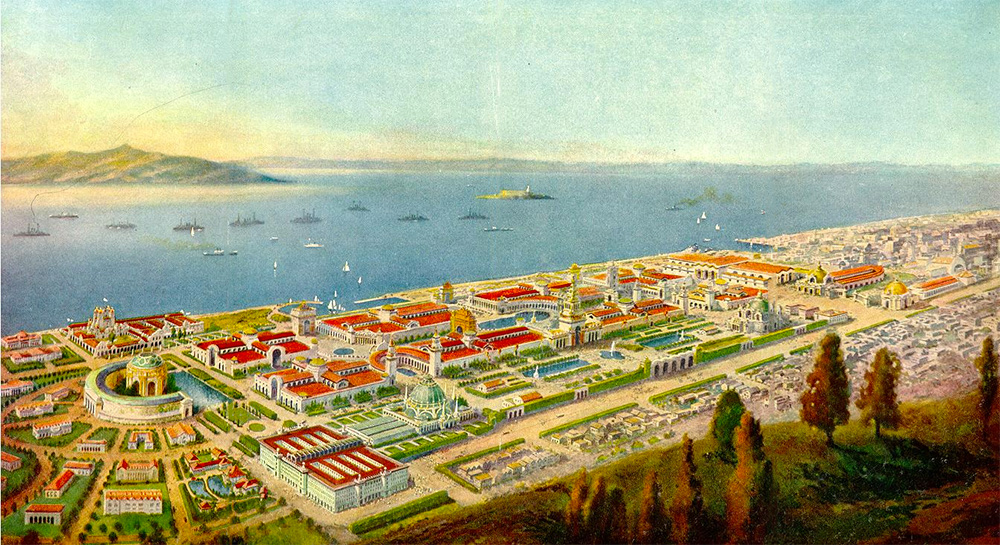
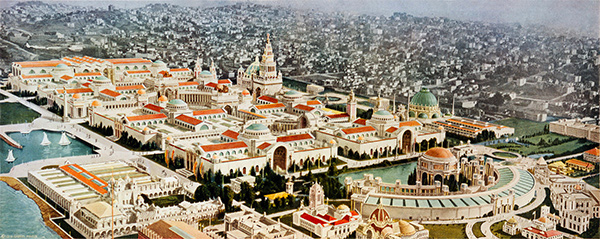
Two views of the Exhibition
The 1913 Pan-Pacific Issue
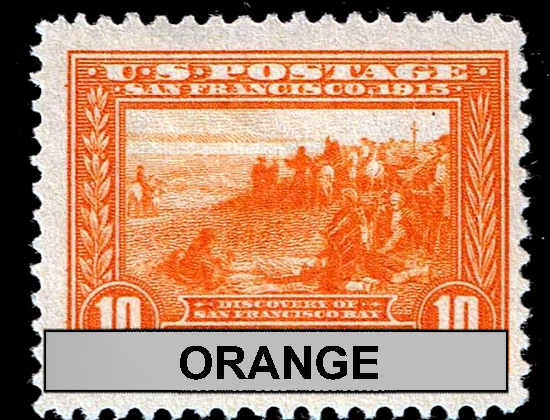
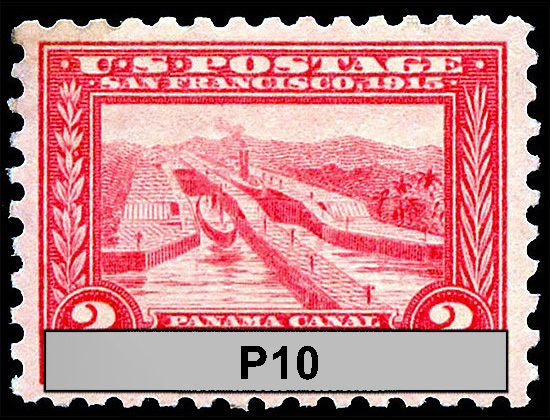
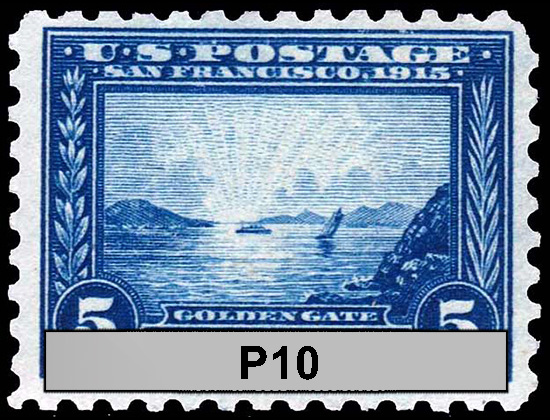
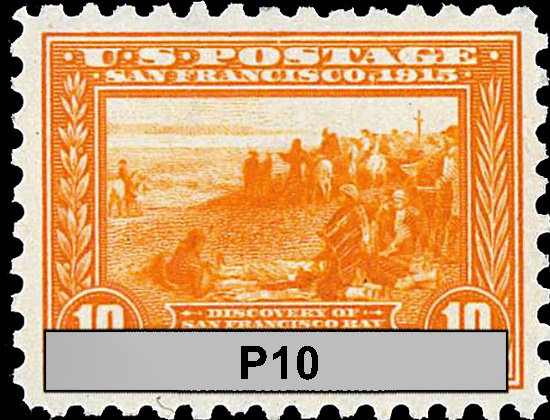
Click your selected stamp