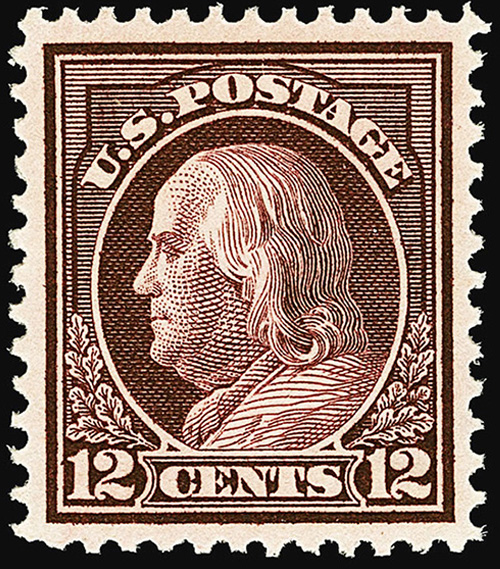
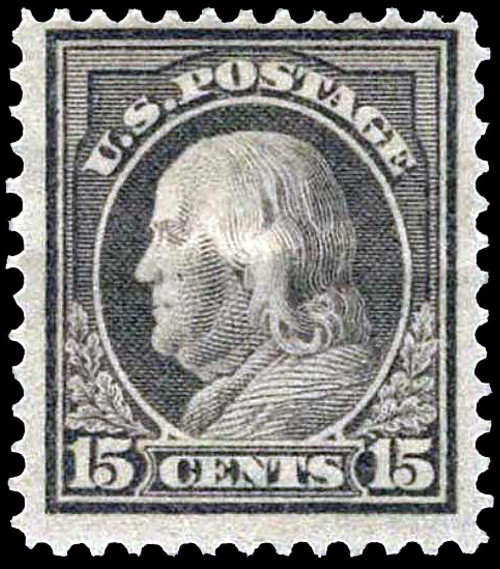
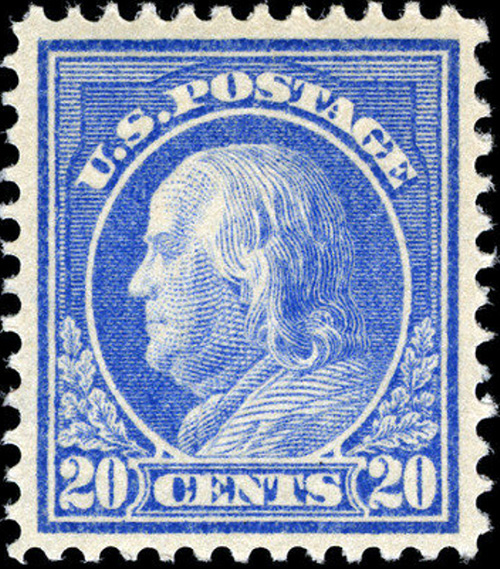
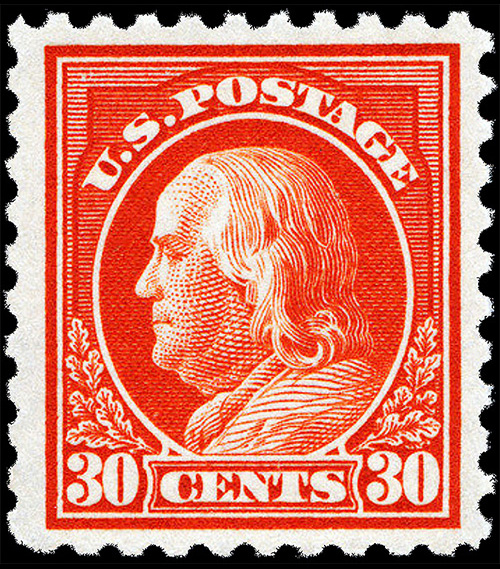
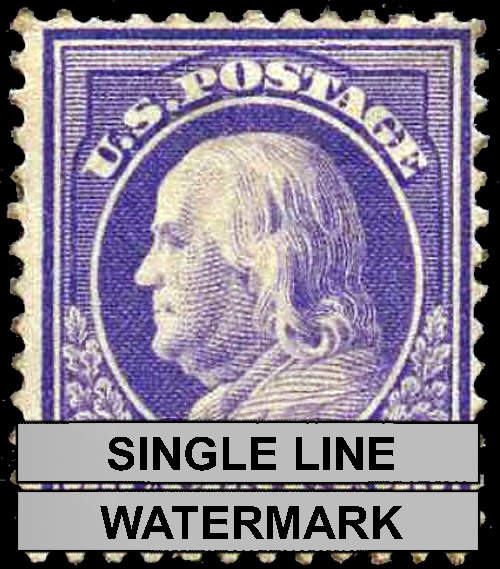
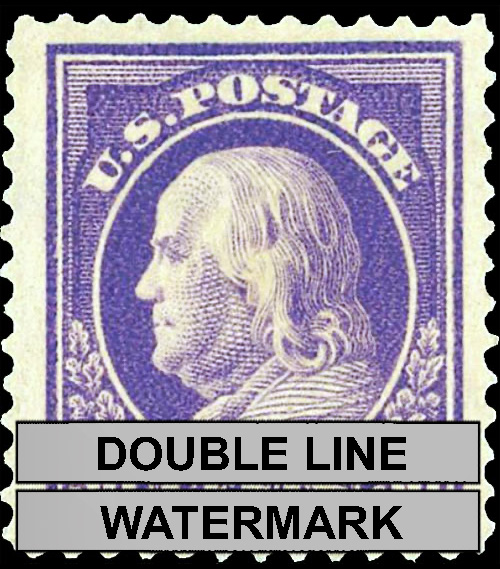
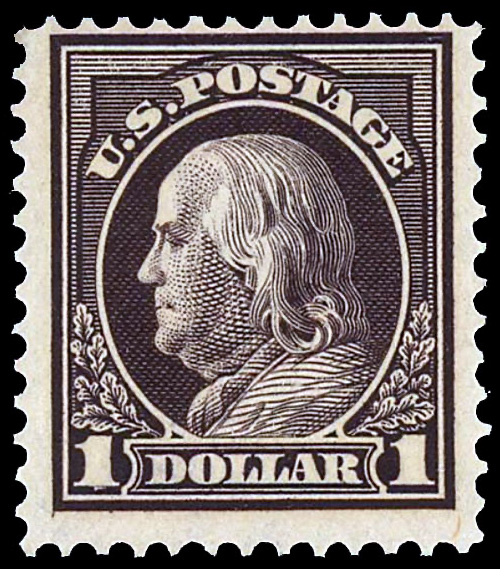
Color: Violet Brown Subject: Benjamin Franklin Watermark:DOUBLE-lined USPS Printing method: Flat plate Perforations: 12 Scott #: 423 Quantity issued: 150,165 Issued: February 12th, 1912
Value
An unused stamp with perfect gum:$340-$650 An unused stamp with gum and a hinge mark: $100-$160 A used stamp: $7-$14
About 423
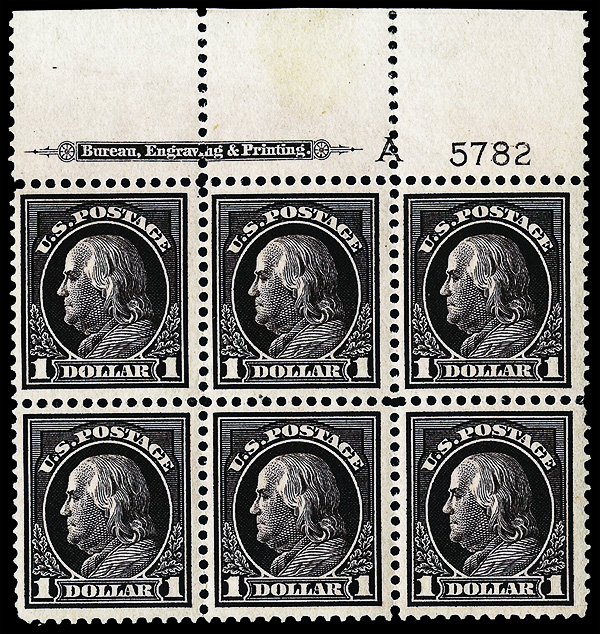
A single with a plate number
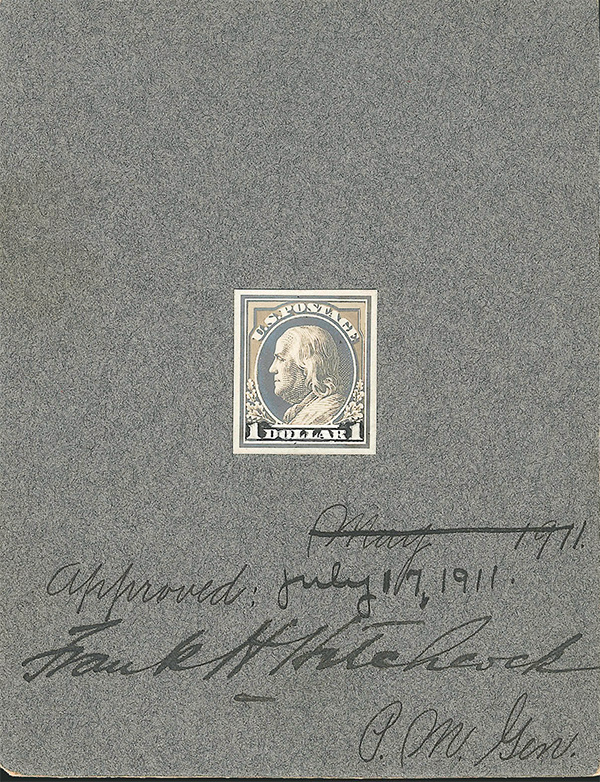
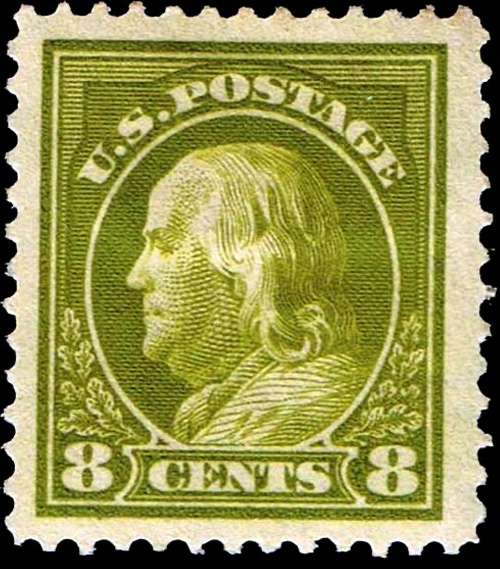
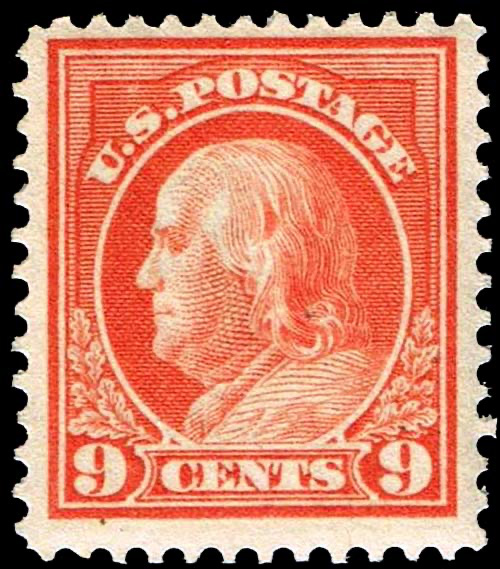
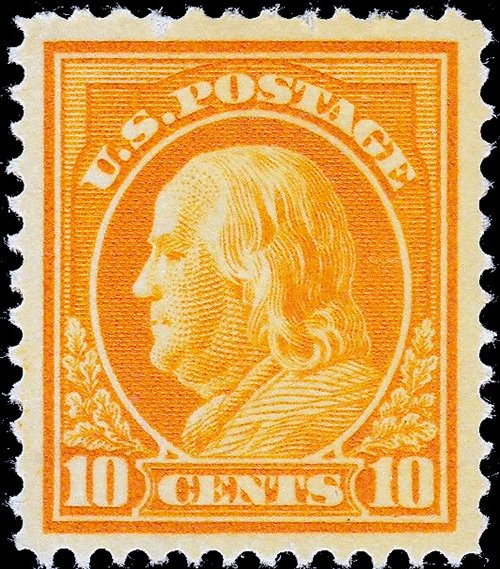
The design changes to #423 and the Washington-Franklin 1912-1914 stamps were driven by Universal Postal Union (UPU) regulations requiring denominations to be displayed numerically and the Post Office's need to prevent confusion between different stamp values.Specific reasons for the design updates during the 1912 Washington-Franklin series included:
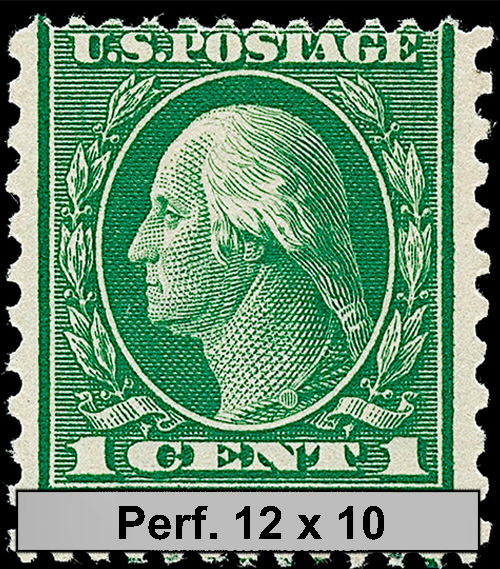
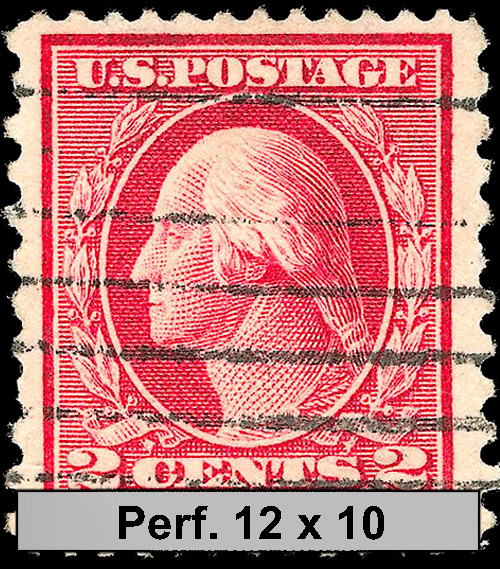
UPU Compliance: The UPU mandated that stamp values be displayed using numbers (e.g., "$1" instead of "ONE DOLLAR") so they could be easily understood by postal workers in any country. Improved Denomination Clarity: Earlier stamps in the series were too similar in design and color, causing mix-ups at the post counter. To make values distinct, George Washington was moved to the $0.01 stamp, and Benjamin Franklin was reserved for all denominations $0.08 and higher.
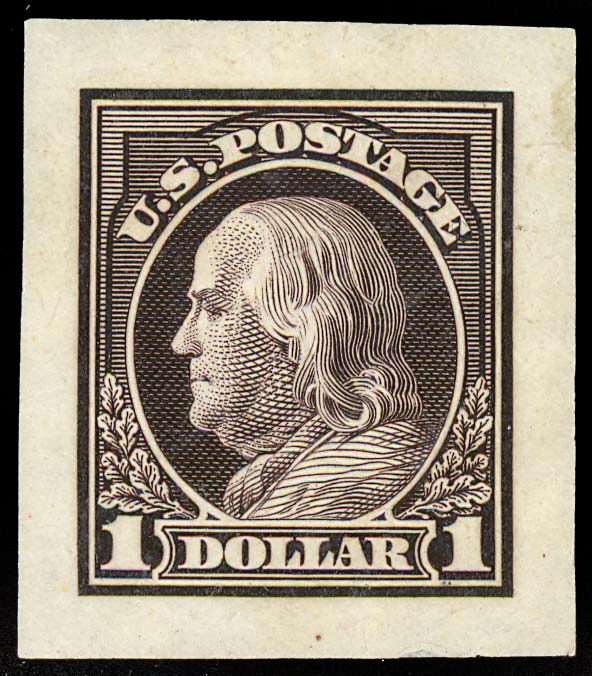
Frame & Border Modifications: To further differentiate high-value Franklins (such as the $1 stamp) from lower-value Washington stamps, the Bureau of Engraving and Printing modified the frames. They bent the words "U.S. POSTAGE" around the oval vignette and changed the decorative leaves from olive branches (symbols of peace) to oak leaves (symbols of strength).
On August 24, 1912, Congress passed a law establishing the U.S. Parcel Post service to handle packages weighing 16 ounces or more. While a specific, red-colored $1 Parcel Post stamp was authorized and printed late in the year, it did not officially go into service until January 1, 1913. Until then #423 was used for this purpose.
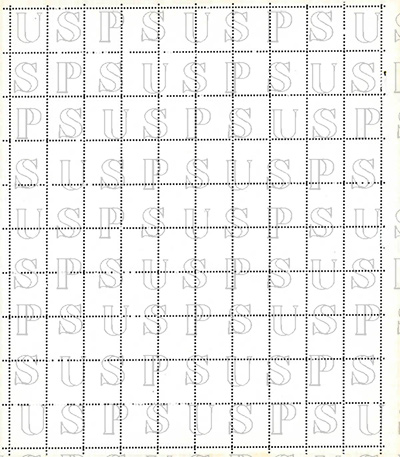
By placing the watermark face down on a dark surface or holding it up to bright light you might be able to see the watermark. If you cannot see the watermark it might be a good idea to invest in watermark fluid and a watermark tray. Ronsons lighter fluid works just as well as watermark fluid. Both fluids evaporate quickly.
Pour a little fluid in the tray, lay the stamp face down. In a few seconds the stamp will absorb the fluid and reveal the watermark to you.
As you will see from the illustrations the letters can span several stamps, so on the watermark, for instance, you can see only part of the letter S in one corner and only part the letter P in the other corner.
The Inspiration for the Design
Benjamin Franklin bust by Jean-Antoine Houdon
The portrait of Benjamin Franklin used for the vignette was adapted from a sculpted bust created by the renowned French artist Jean-Antoine Houdon in 1778. The Bureau of Engraving and Printing's primary designer, C. Aubrey Huston, utilized the profile from this famous sculpture for the Franklin profile, which was then engraved by artists Marcus W. Baldwin, Edward M. Hall, and Robert Ponickau.