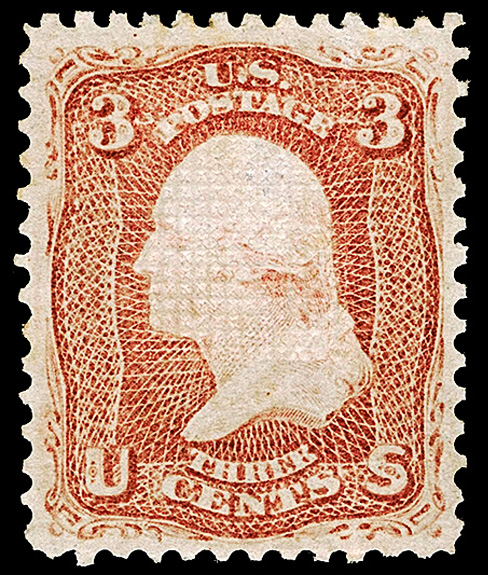
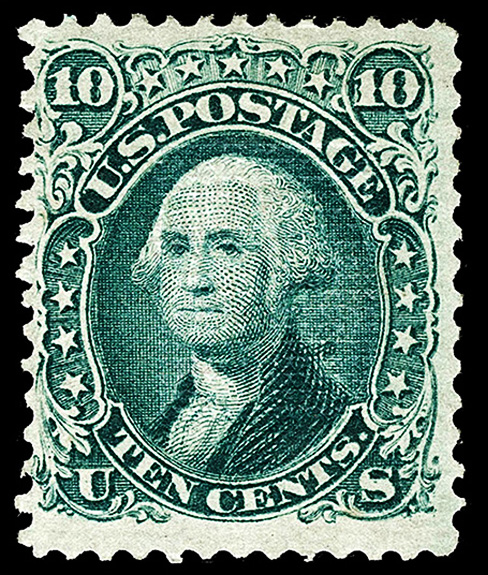
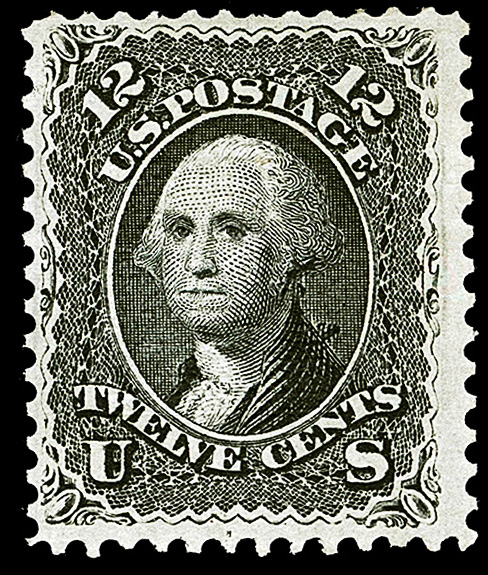
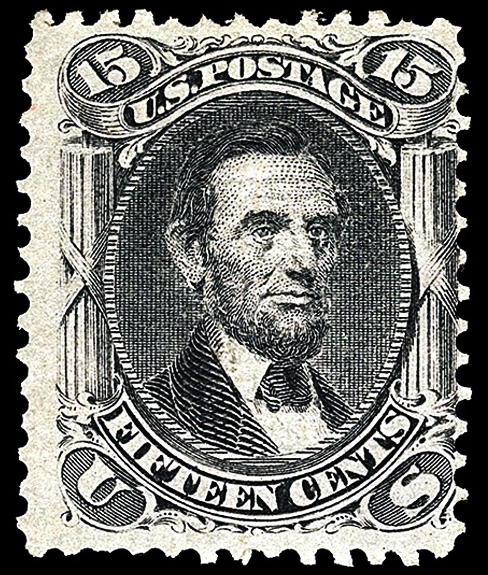
#86 - 1868 E grill 1¢
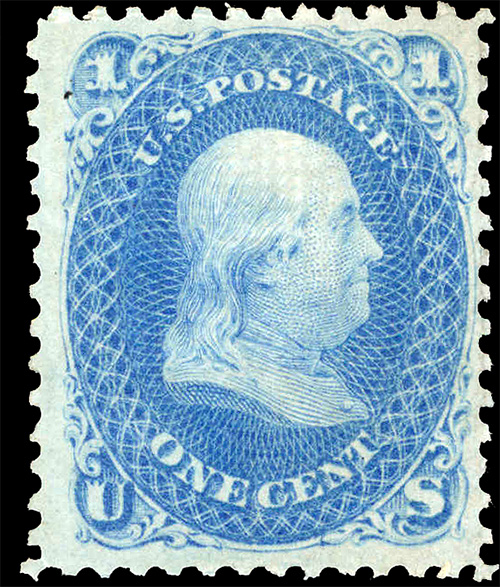
See below for details
Basic Info
1¢
Blue, dull blue
E GRILL
Printing Method: Engraved
Printer: The National Bank Note Company
Subject: Benjamin Franklin
Number issued: 3,000,000
Perforations: 12
Watermark: Unwatermarked
Scott #: 86
Grilled: February 10th, 1868
Issued: First week of March, 1868
Value
Used
$85 - $150
No postmark with gum (MH)
$400 - $750
Full perfect gum, no postmark
no trace of stamp hinge mark (MNH)
$4,000 (2009)
Multiples

The largest known multiple of #86
About the E grill
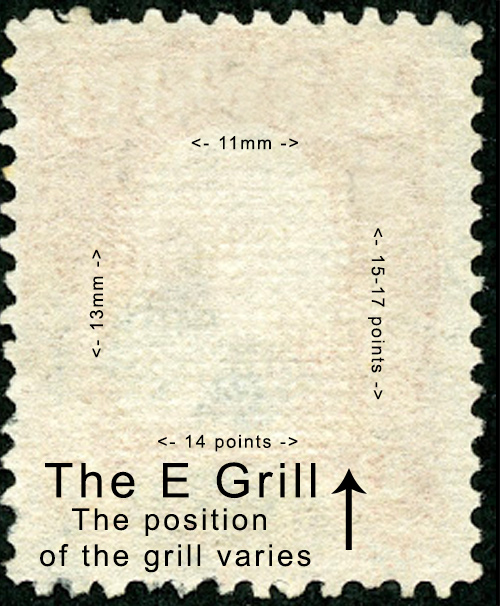
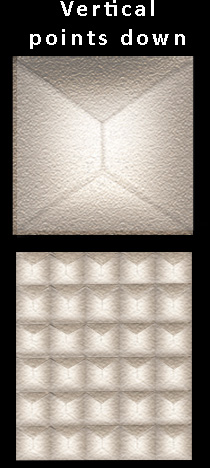
Over 95% of grills are either E or F grills. The A, B, C, and D grills had proved to be unsatisfactory, mostly due to their presence on the stamp making the stamp difficult to separate. The Z grill did not have that problem but for whatever reason it was printed in very limited quantities. The E grill is often confused with the Z grill as the size of the grill is similar and they are on the same values. Close examination of the E grill will reveal the grills has a vertical orientation as shown above. Whilst the Z grill has a horizontal orientation. Both the E and Z grills have their grill points facing down (see types of grills).
The Earliest Known Use
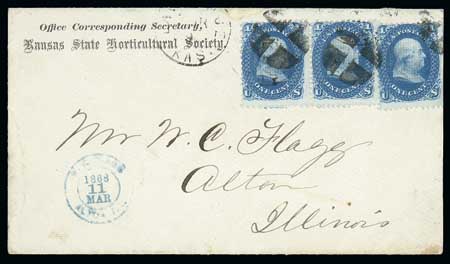
The earliest known date of use of #86 is March 11th, 1868
1868 E Grills
Click your selected stamp