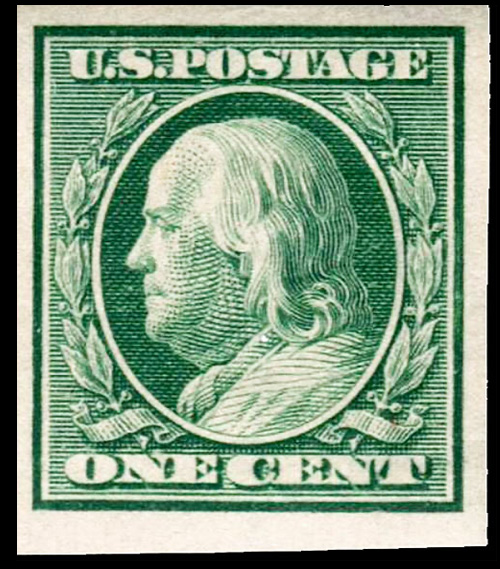
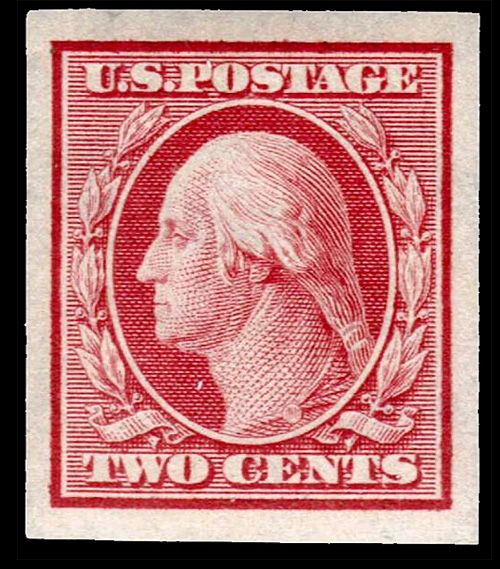
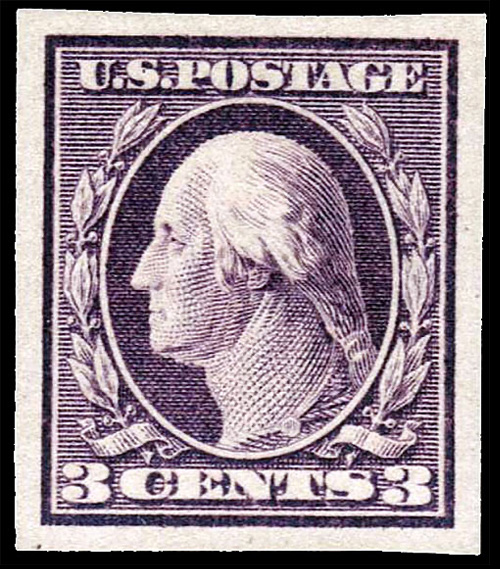
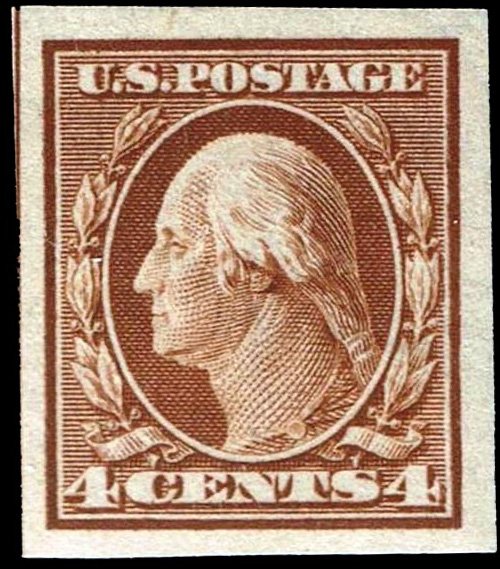
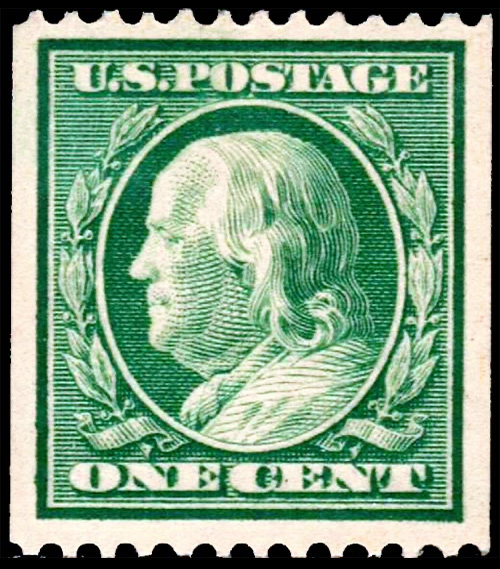
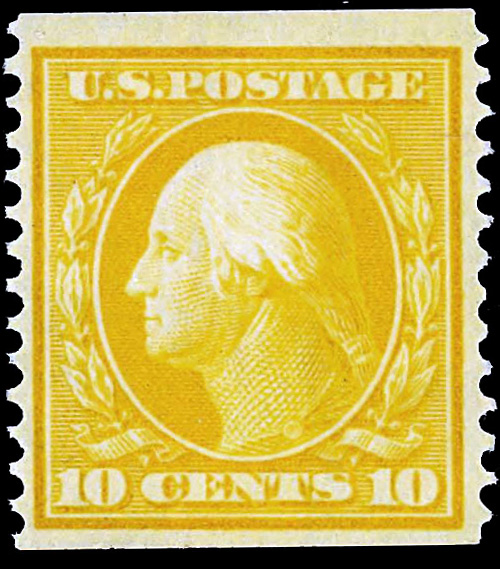
#343 - 1909 1¢ Double line USPS watermark, Imperf
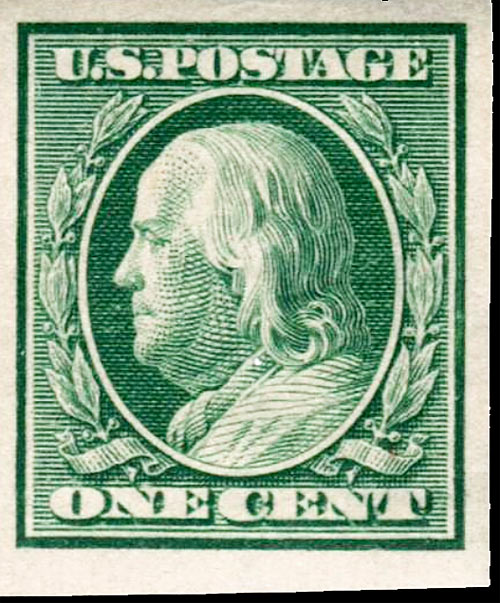
See below for details
Basic Info
1¢ light green, yellow green, green, dark green
Subject: Benjamin Franklin
Printing Method: Flat Plate
Perforations: Imperforate
Watermark: double line USPS (see below)
Scott #: 343
Quantity Issued: 12,449,300
Issued: December 23, 1908
Value
Used
40¢ - 80¢
No postmark with gum (MH)
$1
Full perfect gum, no postmark
no trace of stamp hinge mark (MNH)
$2.50 - $5.50
Plate Numbers
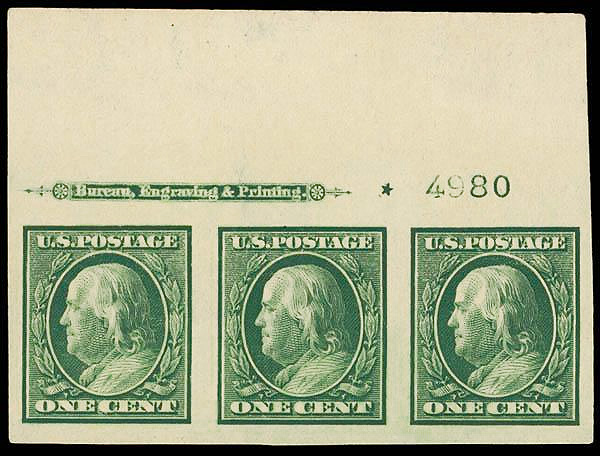
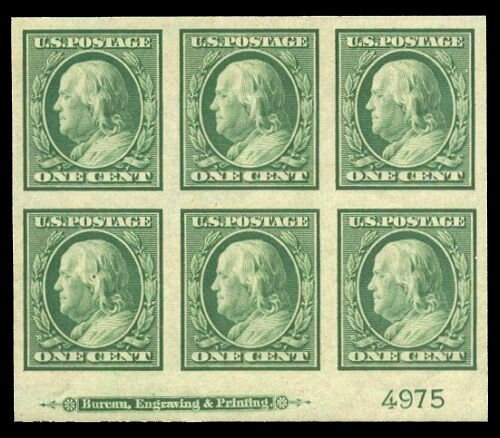
#343 had the following plate #'s:
Imprint and plate number
4874-75, 80, 82, 89-90, 92, 94, 99
4900-03, 62, 71-72, 74-75
Imprint, small solid star and plate number
4980
Imprint, star and plate number
4985-89, 91
5002-05, 11, 14, 23-24, 84, 89, 91, 93, 97
5103-52, 59,62, 66, 69, 79-80, 93, 98
5227-32, 34, 42, 59, 94
5301-20, 33, 36, 45, 52, 59, 73, 78, 80, 87
54t3-14, 16, 91, 95
What are these letters?
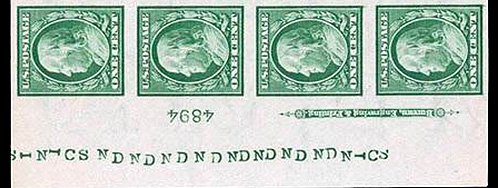
The strip of letters, frequently seen in the selvage are the initials of the siderographer or plate finisher, for reasons of quality control. Typically, the first, middle, and last initial was used, each followed by a period or dash. This can only be seen on flat plate or offset press printings, not on rotary press printings. Siderographers initials are on the upper left margin and plate finishers on the lower right margin of a sheet of 400 stamps.
The initials were punched into the plate one letter at a time, accounting for the initials not being in a straight line.
What to look for
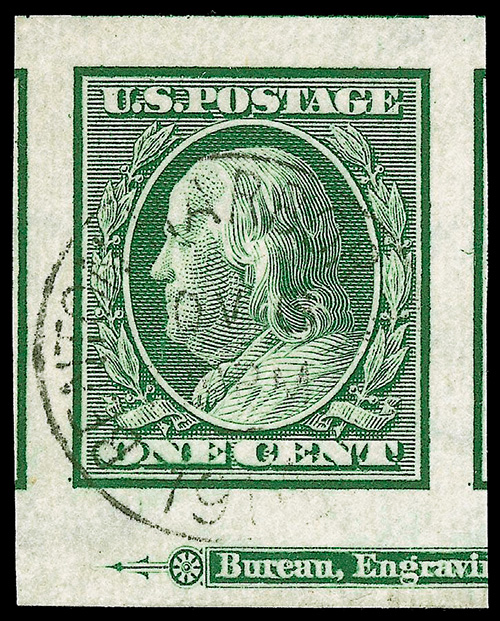
Shown above is a stamp graded by the PSE at 100. The margins has wide margins showing portions of the adjoining stamp. The cancel is neat, in this case from Michigan and it has part of the printers imprint. If you could improve on this stamp it would have a first day of issue cancel or it would be unused, the former being the more preferable.
Just for interest, this stamp was sold by Seigel Auctions in 2012 for $747, not bad when you consider the average price for a used copy is less than a dollar.

The purpose of imperf
These imperf. stamps were issued primarily for use in making private coils for vending machines. They were printed from the same type of plates as were used for the perforated stamps of this issue, although not all the plates noted for perforated varieties were used. Solid star plate No. 4980 was used for the imperforate stamps and plate number blocks of this type are much more difficult to obtain than the perforated variety.
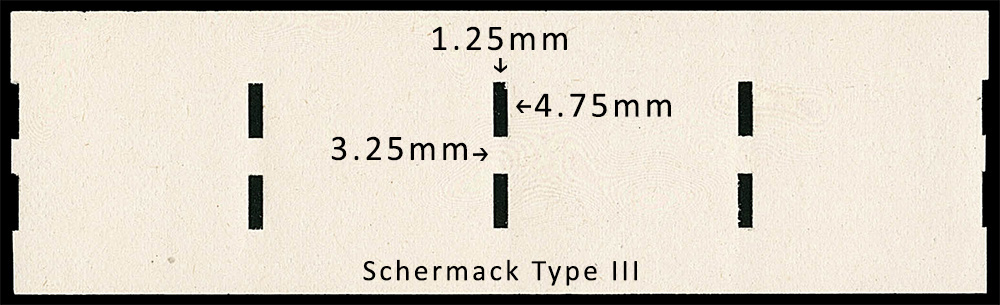
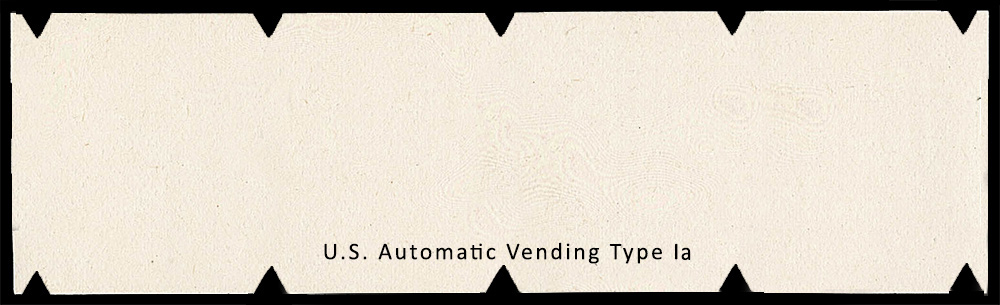
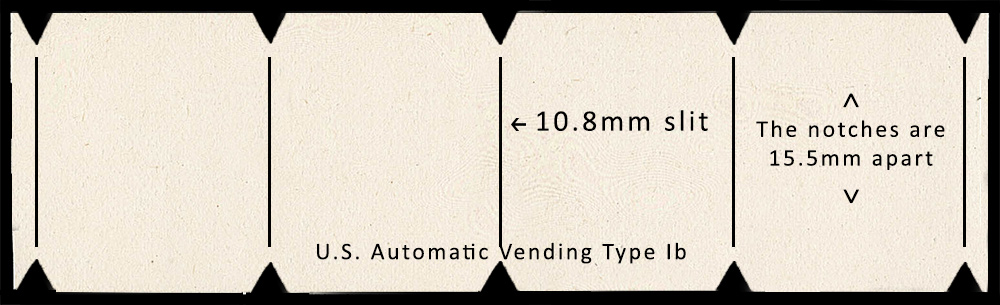
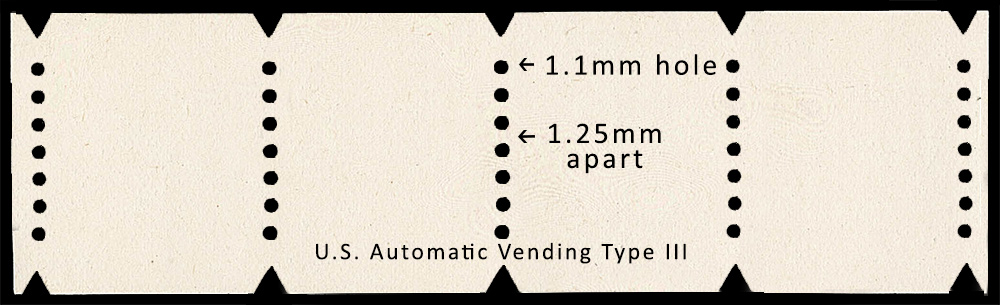
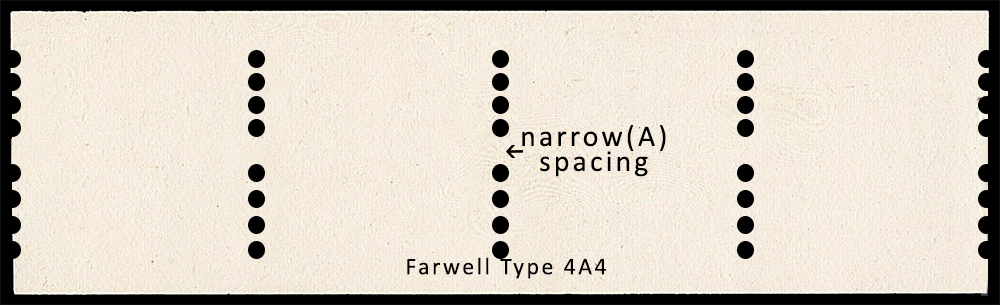
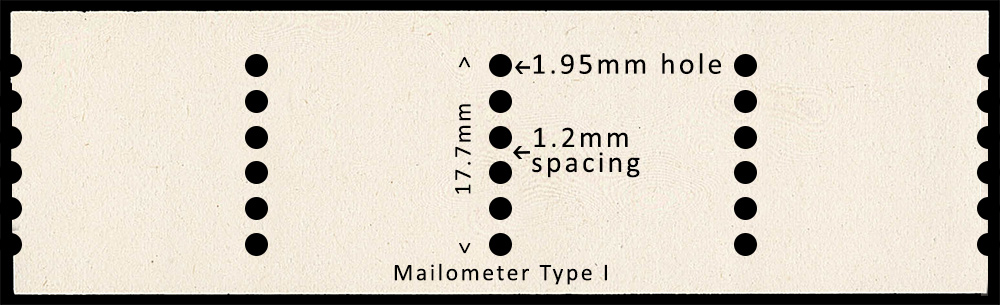
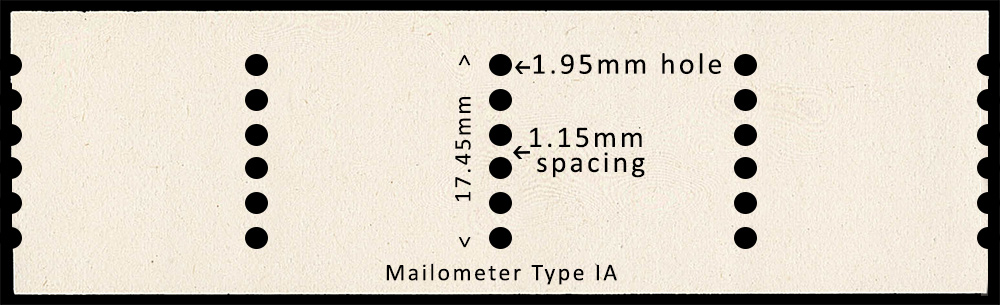
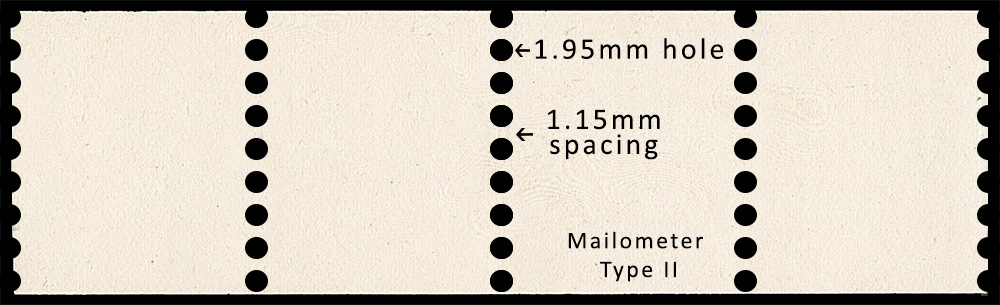
The imperf. stamps (unless in coils) were issued in full sheets containing 400 subjects, divided into four panes of 100 each by horizontal and vertical guide lines. These guide lines terminated in arrows at the margins. In the perforated varieties the guide-Iines appear as straight edges at top or bottom and right or left. On the imperforate sheets they permit additional position varieties. The main purpose of this issue being for the manufacture of private coils, below are listed the private perforations used on this stamp.
Earliest documented use

Earliest documented date of use, January 4th, 1909
Spacing
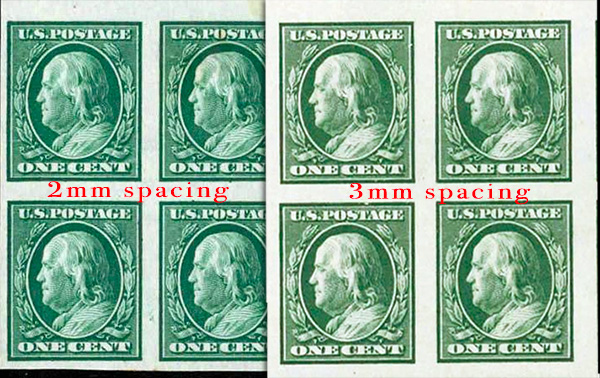
There are two varieties of #343, one has 2mm and the other 3mm spacing between the stamps. The 3mm spacing has approximately double the value of the 2mm spacing stamps. The examples of spacing should only be collected in multiples.
The International Perforation

Perhaps the most valuable example of an unused #343 is this one. It has the International Vending Machine Co. 12½ perforation, The most difficult private perforation to be found. This pair sold for $4,720 at Siegel auctions in April, 2022.
The US Vending Pocket
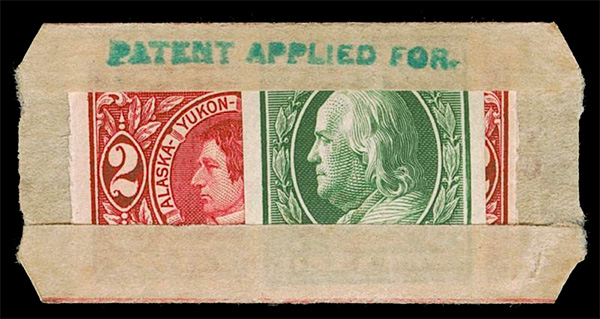
Type 2-1
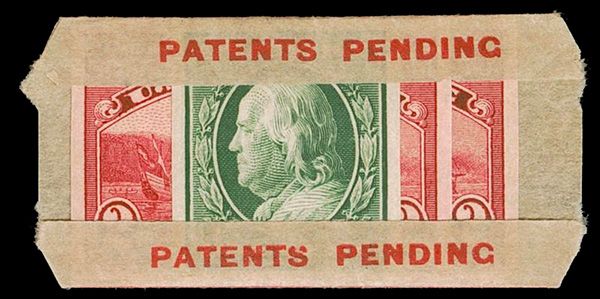
Type 3-2
An interesting use of #343 from the US Vending Machine Company. #343 was contained in a pocket with two Alaska-Yukon 2¢ (#371) or two Hudson Fulton 2¢ (#373) imperf stamps. This pocket of 5¢ stamps was dispensed from a strip of these pockets contained within the company's vending machines. The pockets value, complete with their contents, is between $750 and $1,250 depending on condition
The Attleboro Perforation
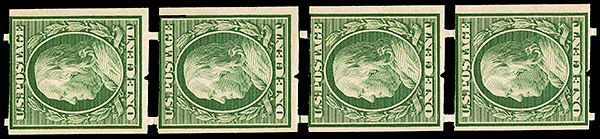
Another valuable example of an unused #343 is this one. It has the Attleboro perforation, a private perforation that is scarcely found. What makes this all the more remarkable is that this strip of four is still intact, despite the easily separated nature of the stamps. This strip sold for $4,425 at Siegel auctions in 2022. On cover a single Attleboro perforation #343 has a value in excess of $5k.
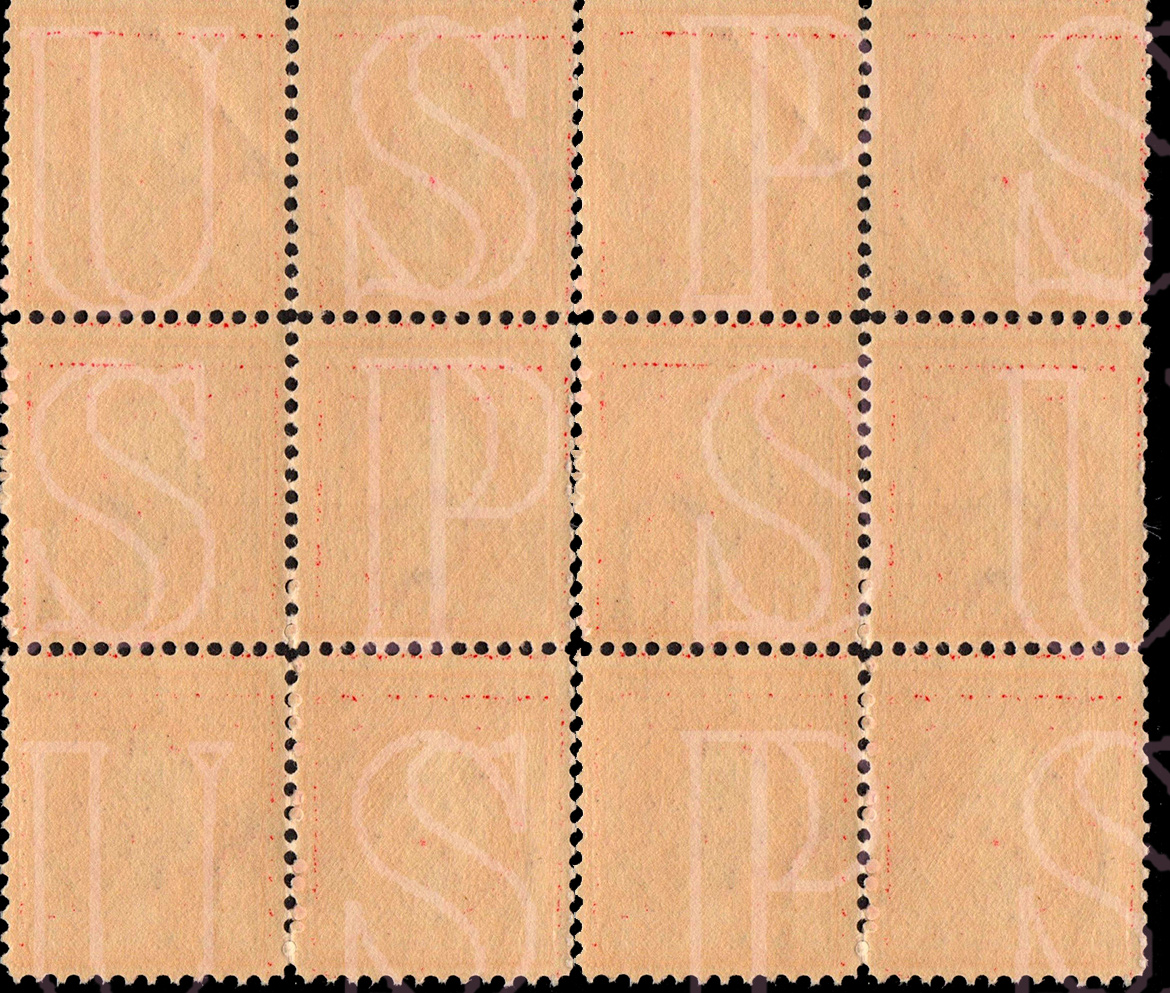
Double line letters watermark
Schermack Punch Control Users
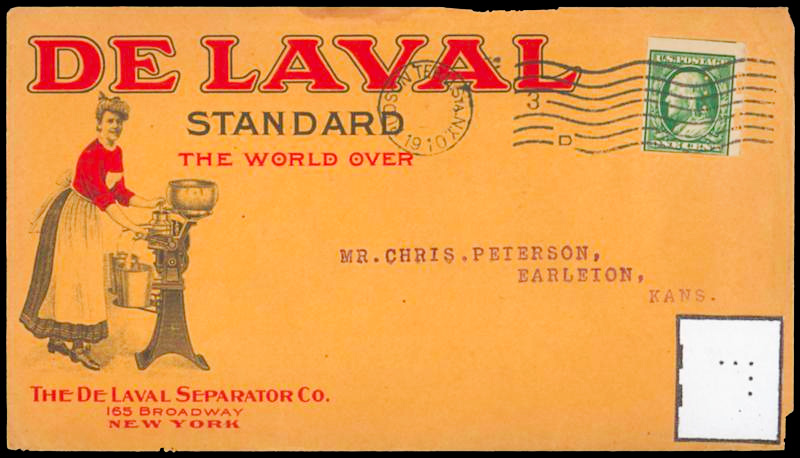
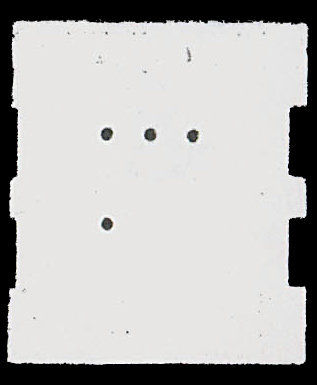
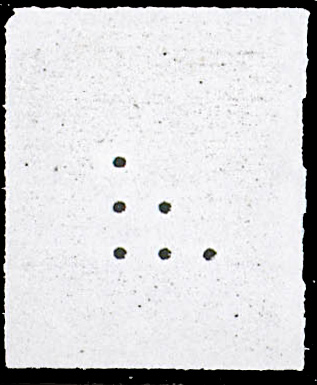
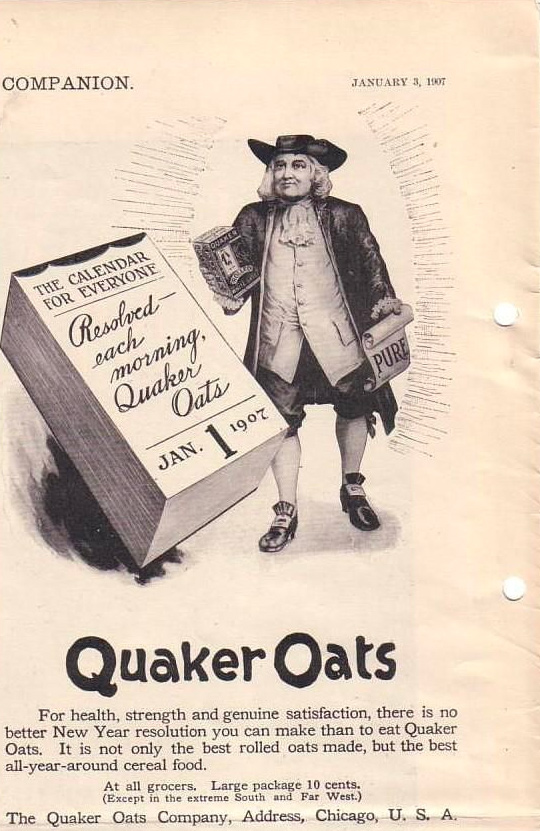
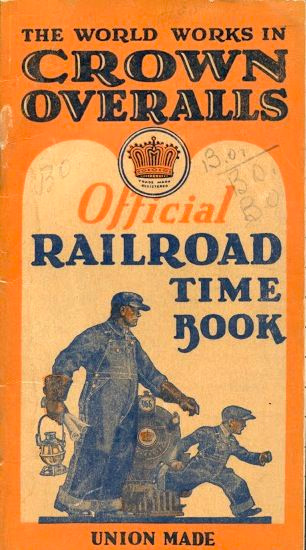
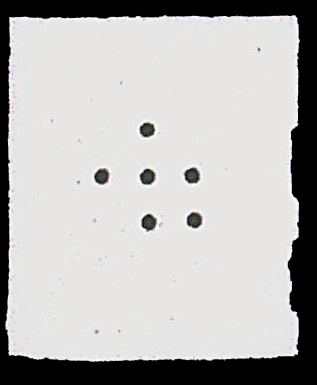
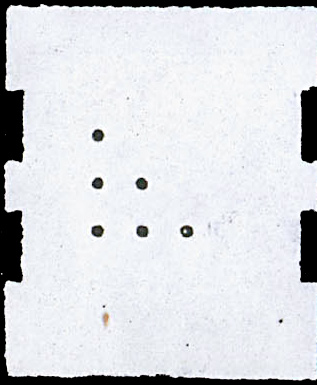
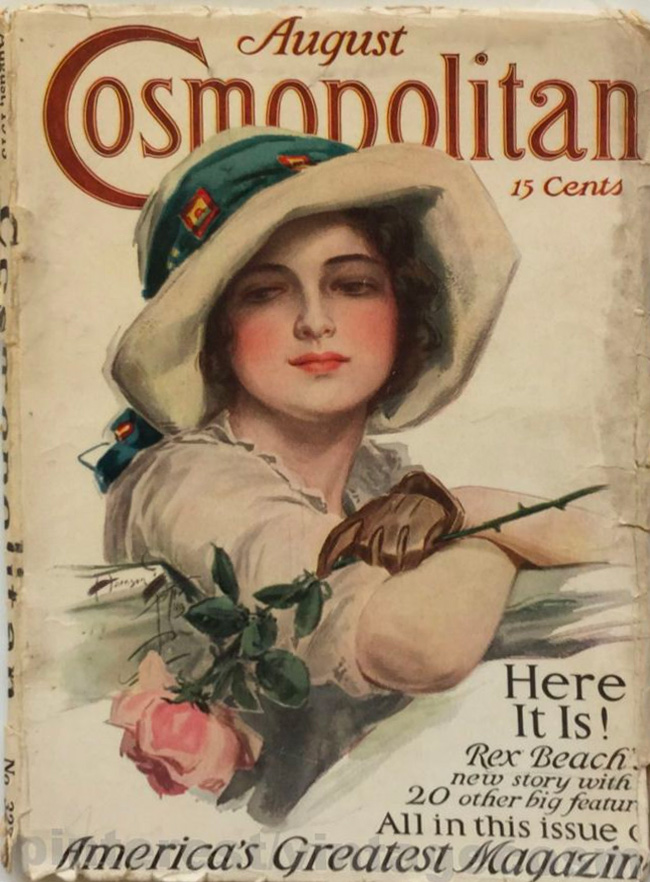
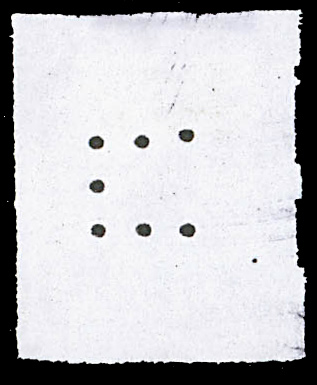
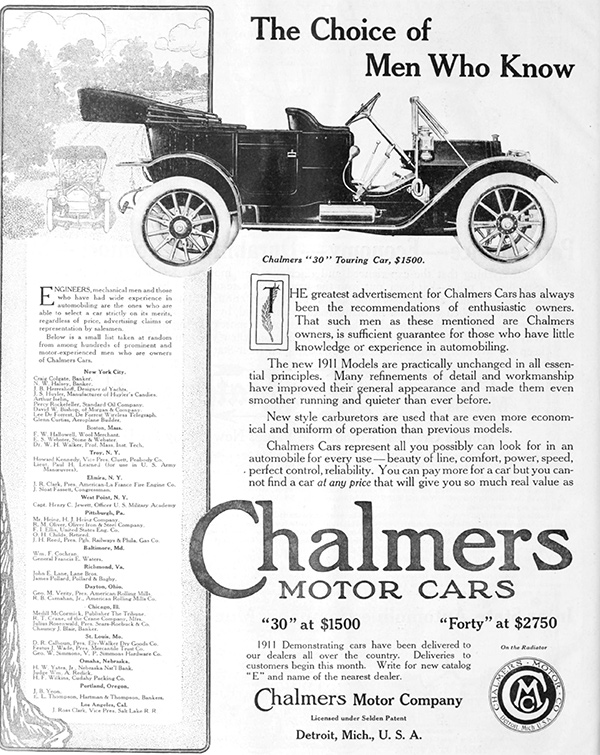
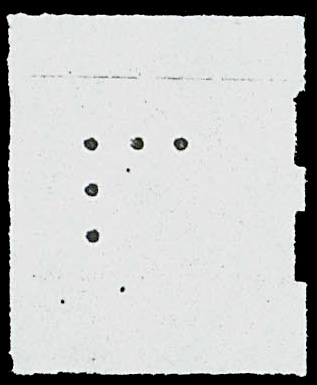
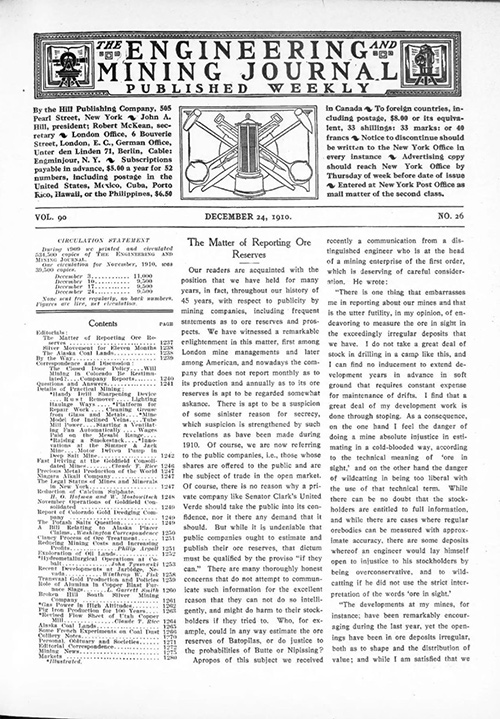
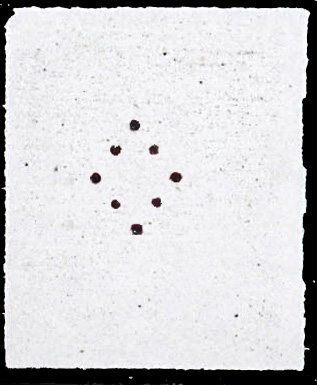
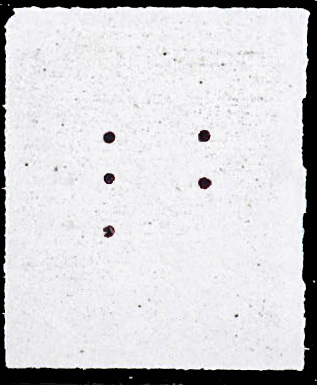
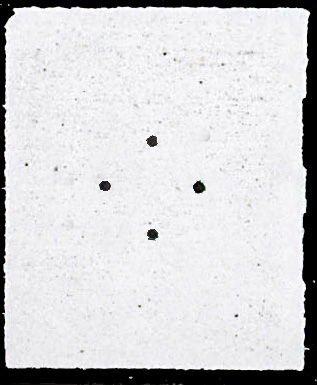
The Schermack Company used a control pin pattern of nine pins. Pins were removed to identify the company that their stamp was sold to. This 'punch control' was a security device to deter stamp theft.
A partial list of these is shown below
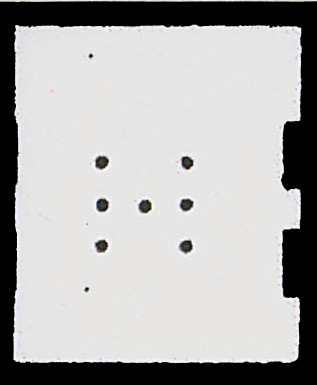
Used by -
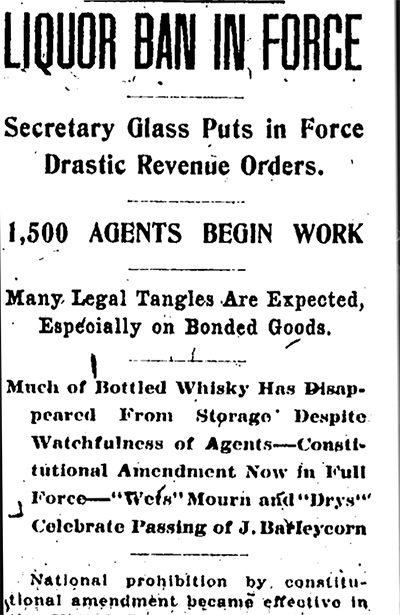
Pro-prohibition campaign - Detroit, Ill.
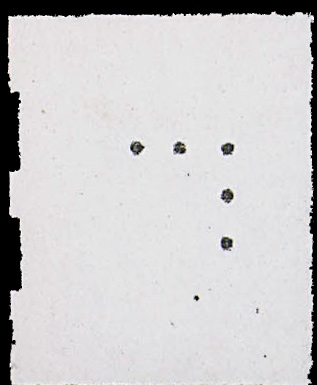
Used by -
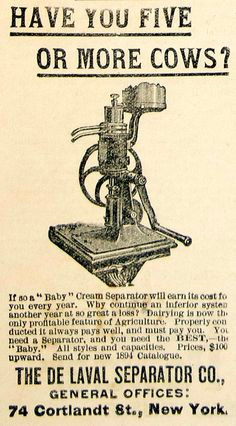
De Laval Separator Company
Used by -
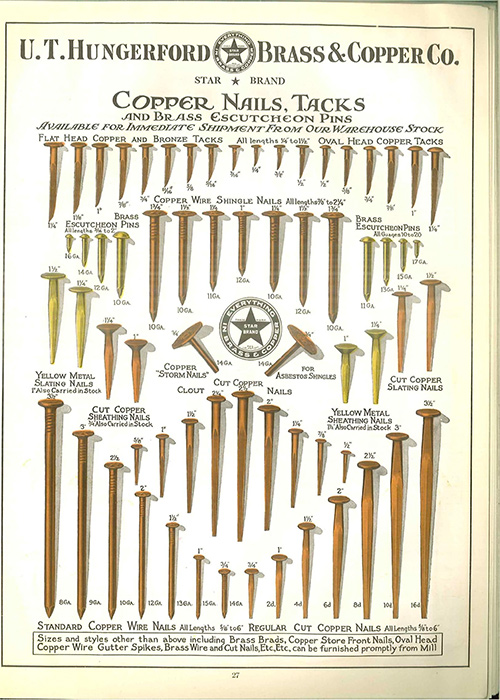
Hungerford Brass & Copper Company

Used by -
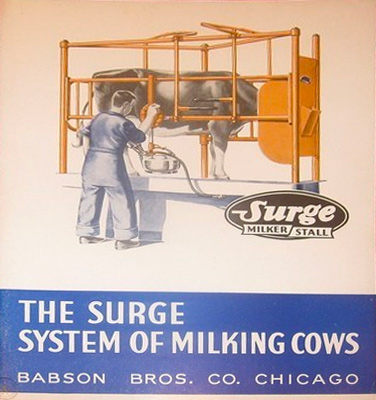
Babson Bros.
Used by -
The Quaker Oats Company

Used by -
World Manufacturing Co
Used by -
Motor Magazine

Used by -
Cosmopolitan
Used by -
Chalmers Motor Company
Used by -
John Wanamaker Dept. Store, NY, NY

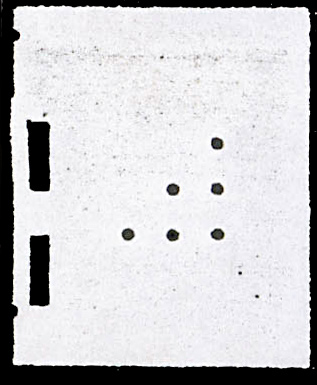
Used by -
Hill Publishing Co
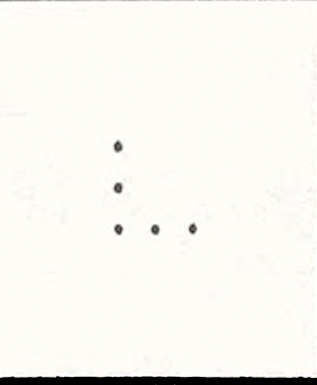
Used by -
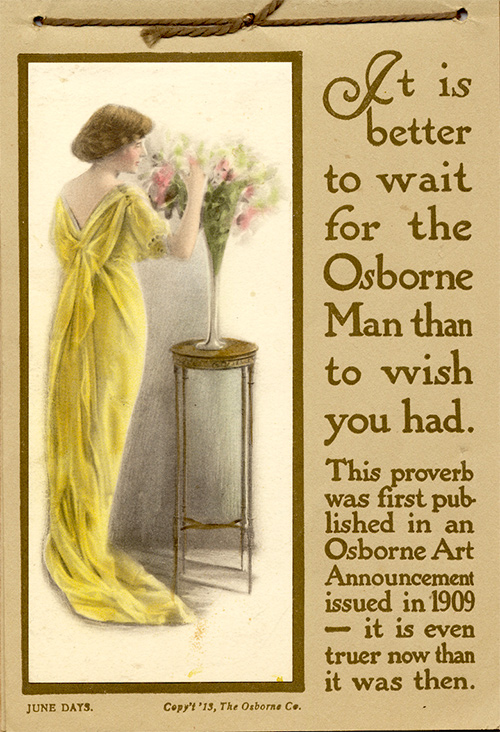
The Osborne Company
Used by -
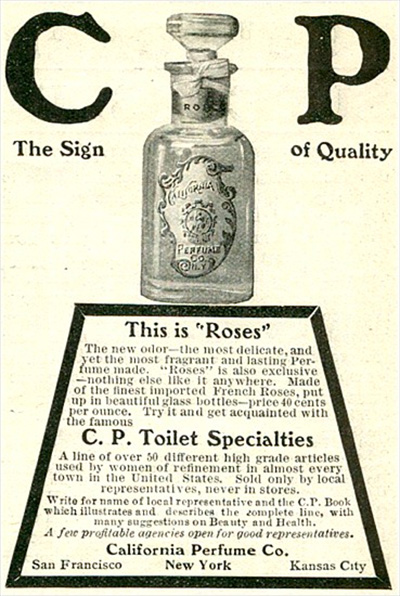
California Perfume Co., NY
Used by -
David Williams Co., NY

Used by -
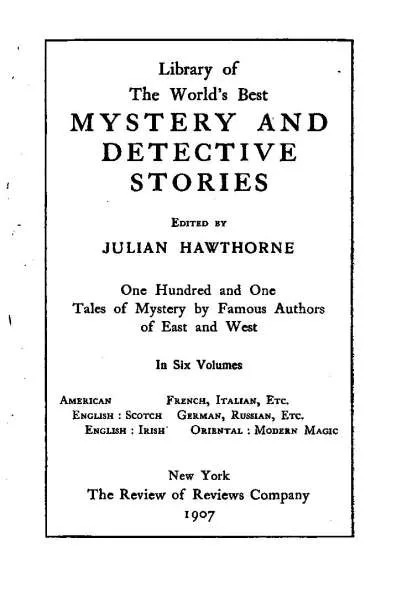
Julian Hawthorne Co., NY

Used by -
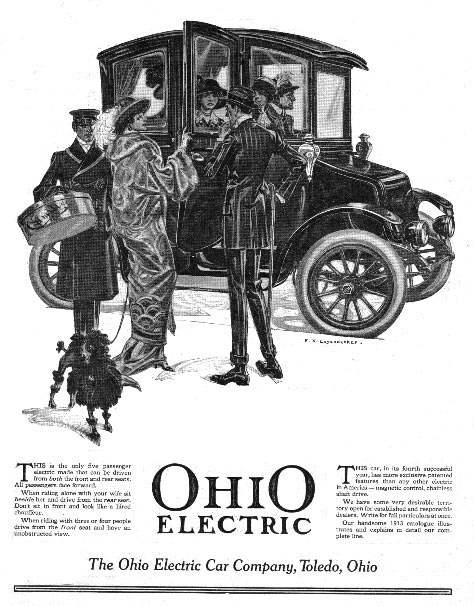
Ohio Electric Co.
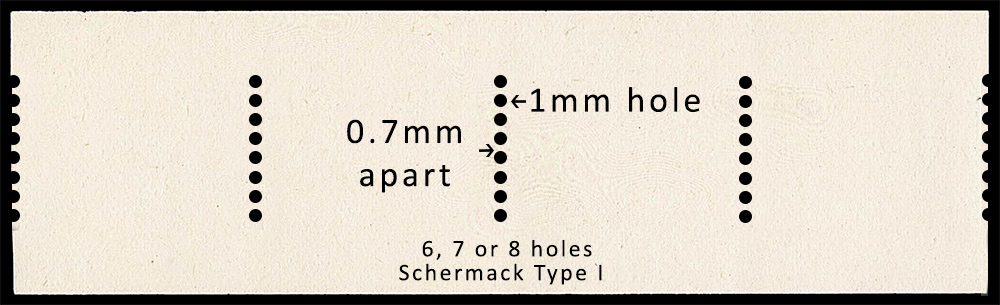
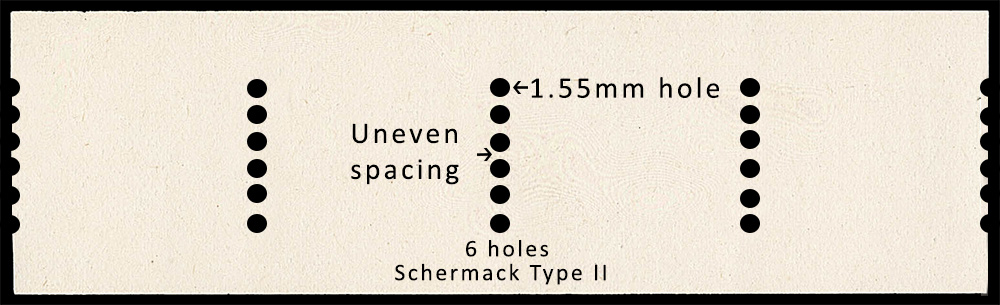


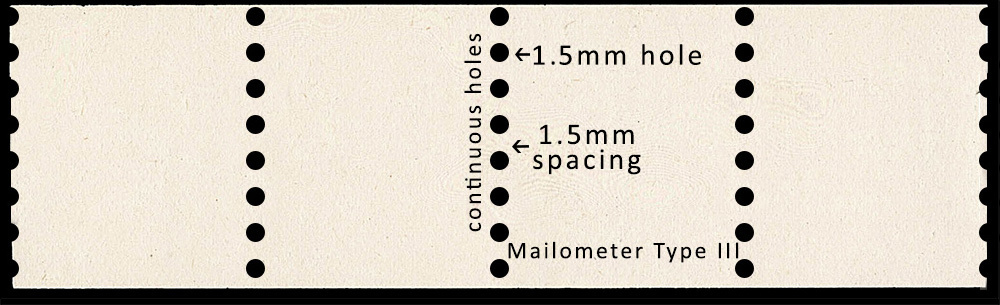
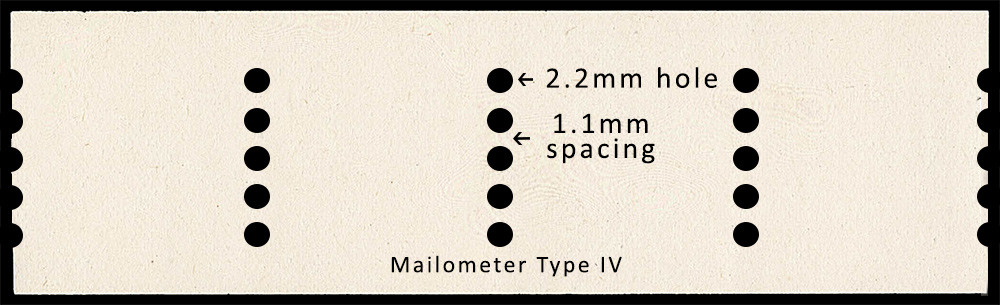
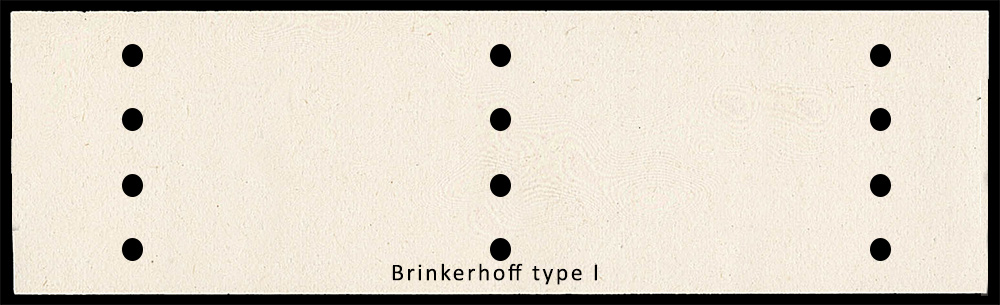
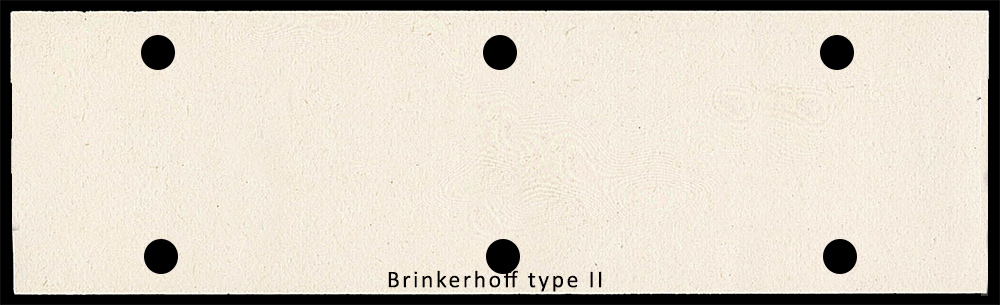


1908-09 Definitive Double Line USPS Watermark Coil Issues
Click your selected stamp